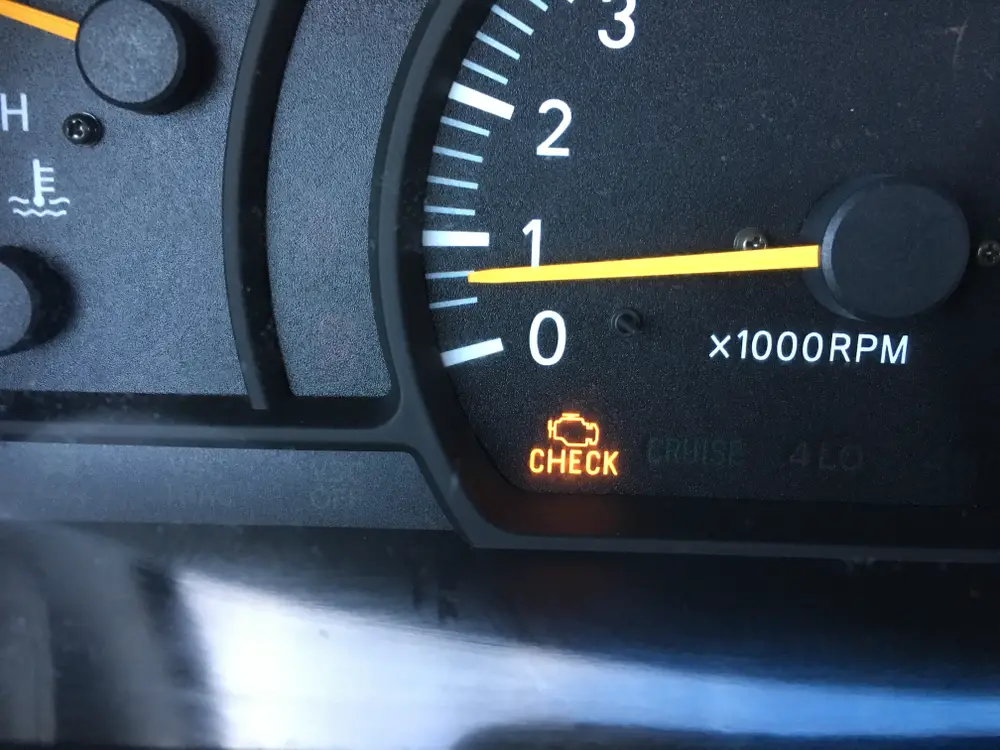

A failing engine ground strap can create electrical problems that look unrelated, random, and expensive.
Vehicles with bad ground straps are often misdiagnosed with battery failure, starter failure, alternator problems, or even ECU faults.
The reason is simple. Grounds are not passive metal connections. They are active return paths that complete every electrical circuit in the vehicle.
When resistance enters that path, voltage collapses under load and electrical logic breaks down.
This article explains engine ground strap symptoms from a diagnostic perspective, not a symptom list.
You will learn why these failures occur, how they affect different systems, and how to confirm a bad ground strap using measurable electrical tests.
Contents
What an Engine Ground Strap Actually Does
The engine ground strap connects the engine block to the vehicle chassis and battery negative. Its job is to provide a low-resistance return path for high-current and low-current circuits.
Critical systems that rely on the engine ground strap include:
- Starter motor
- Ignition system
- Fuel injectors
- Sensors using engine block reference
- ECU ground reference circuits
When the ground strap is healthy, current flows freely back to the battery. When resistance develops, voltage is lost across the ground path instead of being available to the load.
This is where symptoms begin.
Why Engine Ground Straps Fail
Ground straps fail electrically long before they fail visually.
Common causes include:
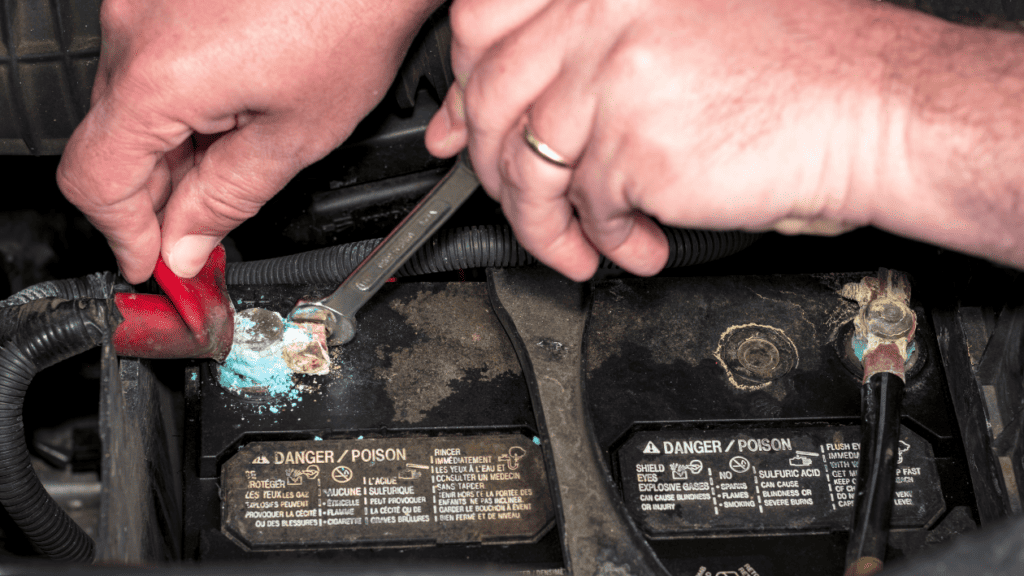
- Internal corrosion hidden under insulation
- Heat damage near exhaust components
- Vibration fatigue at mounting points
- Loose or oxidized ground bolts
- Painted or rusted contact surfaces
A strap can look intact and still introduce enough resistance to disrupt voltage under load.
Engine Ground Strap Symptoms Explained
Hard No-Start or Intermittent No-Crank
One of the most common symptoms of a bad engine ground strap is a no-start condition, especially when hot.
As resistance increases in the ground path, the starter cannot complete the circuit efficiently. Voltage drops across the ground strap instead of across the starter motor.
This results in:
- Clicking with no crank
- Slow cranking
- No response despite a charged battery
This failure is often misdiagnosed as a weak battery or failing starter.
Dimming or Flickering Lights During Cranking
Lights dimming excessively during cranking indicates voltage loss under load.
With a poor ground:
- Current searches for alternate return paths
- Voltage becomes unstable
- Lighting circuits lose reference
This symptom often appears alongside slow cranking.
Erratic Gauges and Instrument Cluster Behavior
Modern instrument clusters rely on stable ground reference points.
A failing engine ground strap can cause:
- Jumping temperature or fuel gauges
- Warning lights that appear randomly
- Cluster resets during starting
These symptoms mimic ECU or cluster failure but originate at the ground.
Sensor and ECU Communication Faults
Many engine sensors reference the engine block as ground.
When ground integrity is compromised:
- Sensor voltages shift
- ECU receives invalid data
- Communication errors appear
This can trigger fault codes unrelated to the actual problem.
Misfires, Stalling, and Poor Idle Quality
Ignition coils, injectors, and control modules require stable ground paths.
A poor engine ground can cause:
- Weak or inconsistent spark
- Injector timing disruption
- Random misfires
- Engine stalling under load
These issues often disappear temporarily when engine load is low.
Why Ground Strap Failures Mimic Major Component Faults
Electrical systems operate on reference voltage.
When ground resistance increases:
- Voltage drops appear across the ground
- Components receive less usable voltage
- Control logic breaks
This makes healthy components behave as if they are failing.
Ground faults are frequently mistaken for:
- Bad ECUs
- Failed alternators
- Battery drain problems
- Immobilizer faults
How to Test an Engine Ground Strap Correctly
Visual inspection is not a test.
Ground straps must be tested under load using voltage drop testing.
Engine Ground Voltage Drop Test
- Set the multimeter to DC volts
- Place the red probe on the engine block
- Place the black probe on the battery negative post
- Crank the engine
How to Interpret the Reading
- 0.2–0.5 V: Acceptable
- Above 0.5V: Excessive ground resistance
Any reading above 0.5V during cranking confirms a ground path issue.
Locating the Fault in the Ground Path
If voltage drop is excessive:
- Test between engine block and chassis
- Test between chassis and battery negative
- Isolate which section introduces resistance
This prevents replacing parts unnecessarily.
Common Misdiagnoses Caused by Bad Ground Straps
These errors are common:
- Replacing batteries repeatedly
- Replacing starters without testing grounds
- Condemning ECUs without power and ground verification
- Chasing random fault codes
Ground testing should always precede component replacement.
What to Do After Confirming a Bad Ground Strap
Once excessive resistance is confirmed:
- Clean contact surfaces to bare metal
- Replace damaged or corroded straps
- Torque ground bolts properly
- Retest voltage drop under load
The repair is only complete once voltage drop falls within limits.
Where to Go Next in the Diagnostic Process
If engine ground voltage drop tests pass but symptoms remain:
- The fault likely exists in the starter control signal path
- Move on to relay, ignition switch, and interlock testing
👉 Read next: Starter Signal Path Explained
Conclusion
Engine ground strap failures are silent electrical killers. They rarely look dramatic, but their effects spread across multiple systems.
Understanding how grounds function as return paths explains why a single high-resistance connection can disable starters, confuse ECUs, and create misleading symptoms.
Voltage drop testing under load removes guesswork and exposes the truth every time.
Before blaming major components, always verify ground integrity. In electrical diagnosis, grounds are not optional. They are foundational.




Leave a Reply