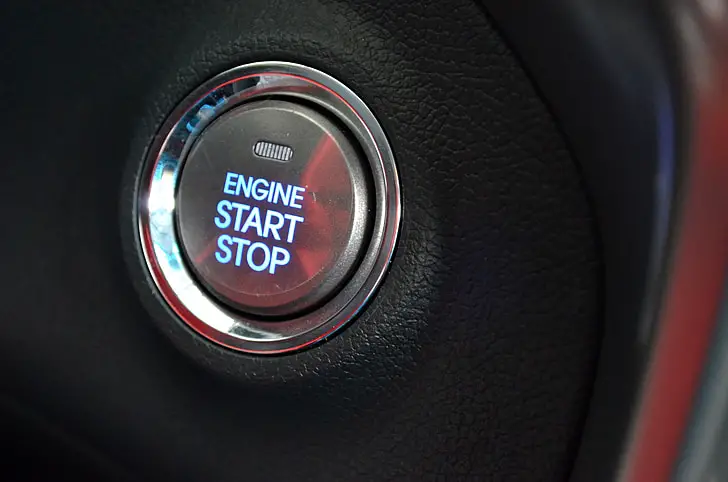
An intermittent no-crank condition is one of the most misleading electrical faults in modern vehicles.
The engine starts normally for days, then suddenly refuses to crank. Later, without repair, it starts again.
This behavior leads to misdiagnosis, unnecessary parts replacement, and unresolved customer complaints.
The problem is not randomness. It is a conditional failure.
This article explains intermittent no-crank diagnosis from a technician’s perspective.
You will learn why these faults disappear during testing, what conditions trigger them, and how to isolate the failure logically instead of guessing.
Contents
What “Intermittent” Really Means in Electrical Diagnosis
Intermittent does not mean unpredictable. It means the circuit fails only when specific conditions are present.
Those conditions typically include:
- Heat
- Vibration
- Load
- Time
- Electrical resistance changes
When those conditions are removed, the circuit temporarily behaves normally.
Why Intermittent No-Crank Faults Are Hard to Catch
Most testing is performed when the vehicle is:
- Cold
- Parked
- Not under vibration
- Not under electrical load
In other words, the fault-triggering condition is absent.
As a result:
- Voltage appears normal
- Continuity tests pass
- Scan tools show no faults
The circuit only fails in real operating conditions.
The Three Systems That Cause Intermittent No-Crank
Every intermittent no-crank can be traced to one of three systems:
- Power delivery
- Ground integrity
- Control signal authorization
If all three are stable under load, cranking will occur.
Heat-Related Intermittent No-Crank Failures
Heat changes electrical behavior.
Common heat-related failures include:
- Starter relay contacts expanding
- Ignition switch internal resistance increasing
- Solenoid windings drawing excessive current
- Marginal grounds losing conductivity
These faults often appear:
- After a hot soak
- In traffic
- After extended driving
Once the vehicle cools, normal operation returns.
Vibration-Induced Circuit Failures
Vibration exposes weak electrical connections.
Typical causes include:
- Loose ground bolts
- Cracked relay solder joints
- Worn ignition switch contacts
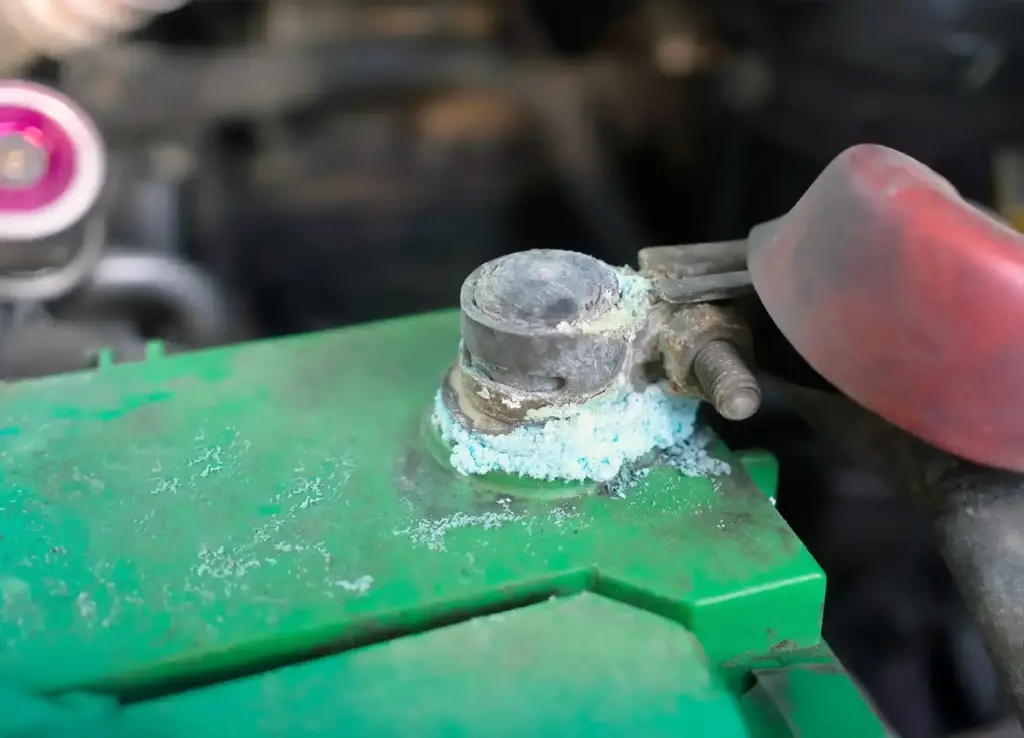
- Stretched or corroded terminals
A stationary vehicle may test perfectly. Movement recreates the failure.
Why Voltage Drop Matters More Than Continuity
Continuity tests only confirm a path exists. They do not confirm the path can carry current under load.
Intermittent no-crank faults are almost always voltage drop issues.
Examples:
- A ground strap with corrosion
- A relay contact with pitting
- A terminal with surface oxidation
Under load, resistance increases and voltage collapses.
Starter Control Signal in Intermittent Conditions
The starter control signal may appear intermittently due to:
- Failing starter relays
- Heat-sensitive ignition switches
- Control module authorization delays
- Security system logic interruptions
A momentary signal loss prevents cranking, even if power and ground are present.
👉 See: Starter Control Signal Diagnosis
Ground Integrity Under Real Conditions
Grounds often pass static testing but fail dynamically.
Heat, vibration, and load exposure:
- Poor metal-to-metal contact
- Paint contamination
- Corrosion under fasteners
An unstable ground can interrupt starter operation without visible damage.
👉 See: Engine Ground Strap Symptoms
How to Diagnose Intermittent No-Crank Correctly
The goal is not to test harder. It is to test smarter.
Key strategies:
- Test during the failure
- Load the circuit while testing
- Monitor voltage drop instead of continuity
- Use heat or vibration to recreate conditions
If the fault cannot be reproduced, it cannot be confirmed.
Diagnostic Decision Logic
Use this logic when the failure occurs:
- Battery voltage stable but no crank → Check control signal
- Control signal present but no crank → Check power and ground under load
- Failure only when hot → Suspect heat-sensitive components
- Failure only when moving → Suspect vibration-sensitive connections
Follow the logic, not assumptions.
Common Misdiagnoses
Intermittent no-crank conditions are often misdiagnosed as:
- Bad battery
- Failed starter
- Faulty ECU
These components are replaced because the real fault is hidden during testing.
Where This Fits in No-Start Diagnosis
Intermittent no-crank diagnosis sits at the intersection of:
- Electrical logic
- Real-world operating conditions
- Accurate load testing
It connects power, ground, and control failures into a single diagnostic framework.
👉 See: Electrical No-Start Diagnosis
Conclusion
Intermittent no-crank faults are not mysterious. They are conditional.
When the diagnosis focuses on static testing, these faults remain hidden. When testing is performed under real conditions, the failure reveals itself.
Electrical systems follow rules. When heat, vibration, or load violates those rules, the engine does not crank.
Understanding those conditions transforms intermittent no-crank diagnosis from guesswork into controlled, repeatable testing.


Leave a Reply