Reaching 30,000 miles is one of the first major maintenance milestones in a vehicle’s life.
At this stage, your car has moved beyond the initial break-in period and is transitioning into long-term operation.
Components have been exposed to thousands of heat cycles, road vibrations, and environmental conditions.
Many drivers make the mistake of delaying service at this point because the vehicle still “feels fine.” That assumption often leads to reduced performance, premature wear, and avoidable repair costs.
A proper 30,000 mile service focuses on inspection, fluid condition, and early wear components. It is not about fixing problems. It is about preventing them.
30,000 Mile Service Quick Checklist
If you want a quick overview, these are the most common maintenance tasks performed at 30,000 miles.
Typical 30k service includes the following:
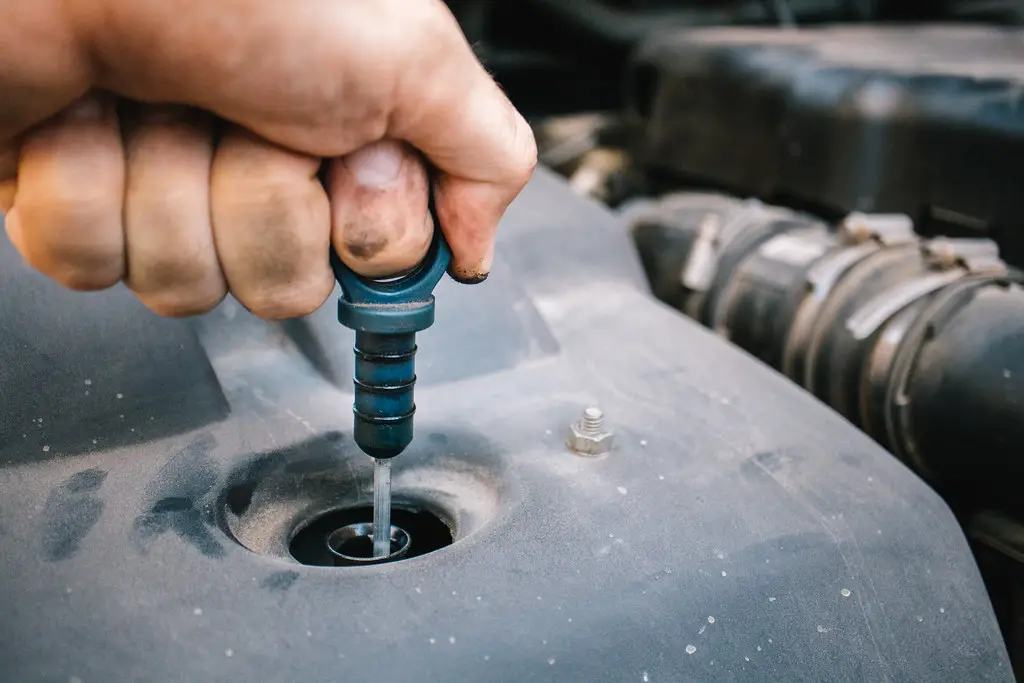
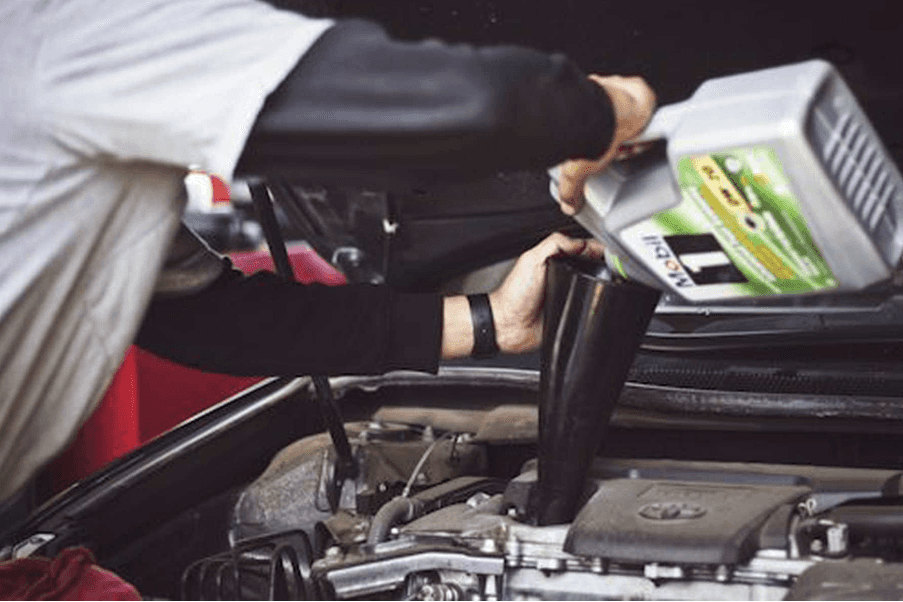
• engine oil and filter check or replacement
• engine air filter replacement
• cabin air filter replacement
• brake system inspection
• tire rotation and pressure check
• battery testing
• belt and hose inspection
• transmission fluid inspection
• coolant system inspection
• suspension and steering inspection
While exact requirements vary by manufacturer, these items form the core of most 30k maintenance schedules.
Why the 30,000 Mile Service Matters
Modern vehicles are built for longevity, but only when maintenance is performed consistently.
By 30,000 miles:
• filters begin to clog
• fluids start to degrade
• rubber components begin to age
• brake components show early wear
Ignoring these early signs does not cause immediate failure, but it accelerates long-term damage.
This is why technicians treat the 30k service as a preventive checkpoint.
Drivers who follow a structured car maintenance schedule by mileage avoid most major mechanical failures later in the vehicle’s life.
Core Maintenance Tasks at 30,000 Miles
Engine Air Filter Replacement
The engine air filter prevents dust and debris from entering the engine.
Over time, it becomes clogged, restricting airflow and reducing combustion efficiency.
A dirty air filter can lead to the following:
• reduced fuel economy
• sluggish acceleration
• increased engine strain
Replacing the filter restores proper airflow and engine performance.
Cabin Air Filter Replacement
The cabin air filter cleans the air entering the vehicle’s interior.
At 30,000 miles, it is often filled with:
• dust
• pollen
• debris
• pollutants
A clogged cabin filter reduces airflow and can affect air conditioning performance.
Replacing it improves cabin air quality and HVAC efficiency.
Brake System Inspection
The braking system is one of the most critical safety components.
At this stage, technicians check:
• brake pad thickness
• rotor condition
• brake fluid level
• brake line integrity
Early inspection prevents uneven wear and expensive brake repairs later.
Tire Rotation and Inspection
Tires wear unevenly due to weight distribution and driving patterns.
Rotating tires helps the following:
• extend tire lifespan
• improve handling
• maintain balanced traction
Tire condition should also be checked for the following:
• uneven wear patterns
• cracks or bulges
• proper inflation
Fluid Inspection and Condition Check
Fluids protect and lubricate major systems.
At 30k miles, technicians inspect:
• engine oil
• transmission fluid
• brake fluid
• coolant
• power steering fluid
Dirty or low fluids can lead to overheating, increased friction, and component failure.
Additional Inspections at 30,000 Miles
Belts and Hoses
Rubber components degrade over time due to heat and pressure.
Inspection focuses on:
• cracks
• leaks
• swelling
• fraying
Replacing worn components early prevents sudden breakdowns.
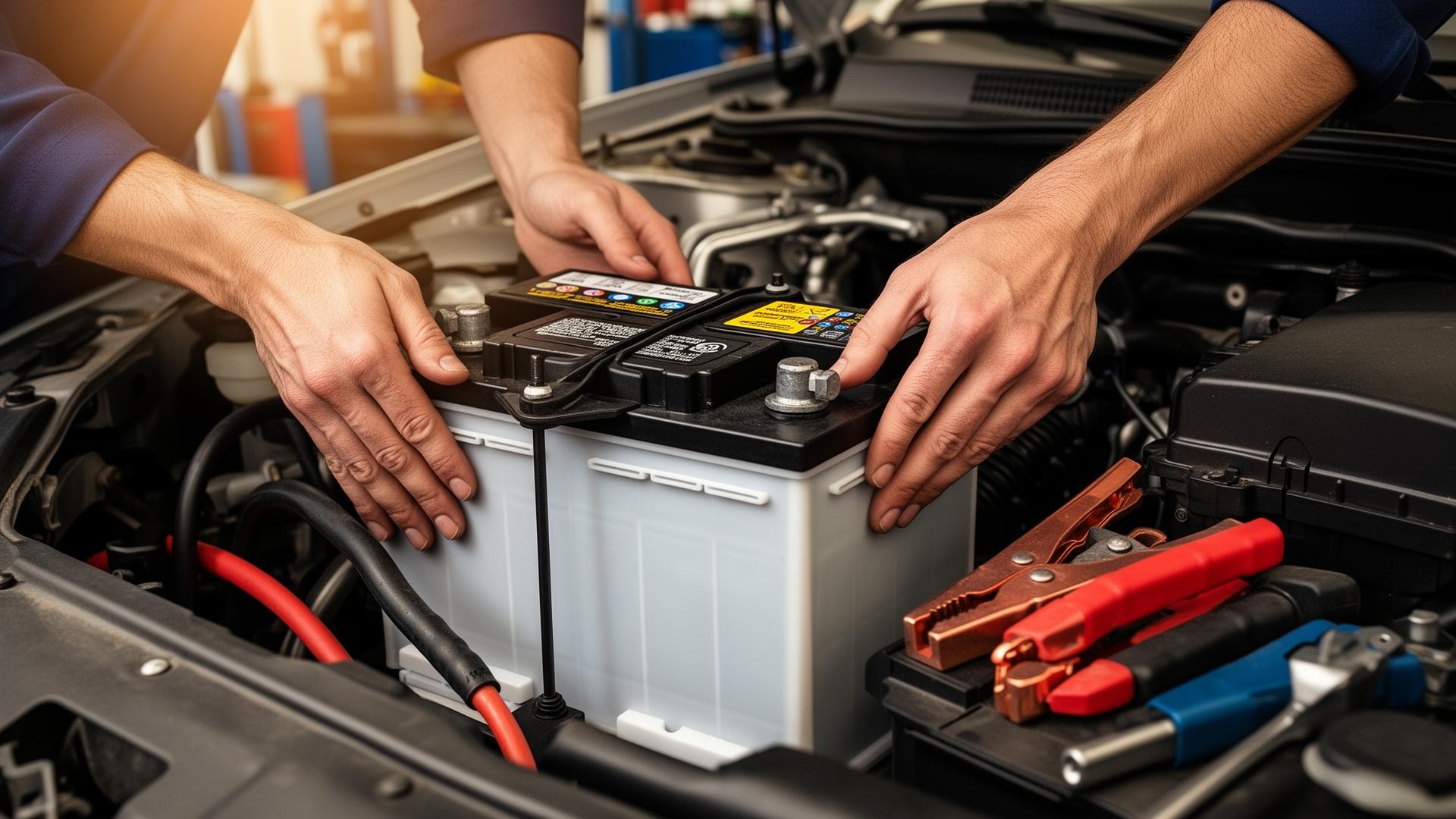
Battery Testing
The battery may still function, but performance can decline gradually.
Testing includes:
• voltage check
• load test
• terminal inspection
This helps detect early signs of failure before the vehicle refuses to start.
Suspension and Steering Components
Suspension parts absorb road impact continuously.
Inspection includes:
• shocks and struts
• control arms
• bushings
• ball joints
Maintaining these components ensures stability and ride comfort.
Does Every Vehicle Require the Same 30k Service?
No. Maintenance requirements vary by manufacturer and vehicle design.
Differences may include:
• spark plug lifespan
• transmission fluid type
• engine design
• hybrid or electric systems
For example:
Some vehicles use long-life spark plugs that last up to 100,000 miles.
Some transmissions are labeled “lifetime fill,” although inspection is still recommended.
Always compare this guide with your vehicle’s owner’s manual for precise service intervals.
How Long Does a 30,000 Mile Service Take?
Service time depends on the level of maintenance performed.
Basic service typically takes:
• 1 to 2 hours
More comprehensive service may take more time.
• 2 to 4 hours
Drivers should plan for at least half a day if multiple inspections and replacements are performed.
Estimated Cost of a 30,000 Mile Service
Costs vary depending on vehicle type and location.
Typical ranges:
Basic inspection and oil service
$100 to $200
Service with filters and tire rotation
$200 to $400
More extensive service may cost more depending on parts and labor.
Routine maintenance is significantly cheaper than major repairs caused by neglect.
Driving Conditions That May Require Earlier Service
Mileage intervals assume normal driving conditions.
However, some environments increase wear:
• frequent stop-and-go traffic
• short trips
• extreme temperatures
• dusty roads
• towing heavy loads
Under these conditions, maintenance should be performed earlier.
Many manufacturers provide a severe duty schedule for such usage.
Signs Your Car Needs Service Before 30,000 Miles
Do not rely on mileage alone.
Watch for:
• reduced fuel efficiency
• engine hesitation
• unusual noises
• vibration while driving
• dashboard warning lights
These symptoms indicate maintenance should not be delayed.
How 30,000 Mile Service Fits Into the Full Maintenance Plan
The 30k service is an early milestone in a long-term maintenance cycle.
As mileage increases, additional services become necessary.
Examples:
• spark plug replacement around 60,000 miles
• timing belt service near 100,000 miles
• major inspections beyond 120,000 miles
To understand the full progression, follow a structured car maintenance checklist and mileage-based schedule.
Conclusion
The 30,000 mile service is a critical checkpoint in maintaining a reliable vehicle.
It focuses on inspection, early wear detection, and preventive maintenance rather than major repairs.
Drivers who follow proper service intervals protect their vehicles from unnecessary damage, reduce long-term costs, and extend overall lifespan.
Consistent maintenance is what allows vehicles to perform reliably well beyond 200,000 miles.
Frequently Asked Questions
Is the 30,000-mile service necessary?
Yes. It helps prevent early wear from developing into major mechanical issues.
Can I skip the 30k service?
Skipping it increases the risk of clogged filters, degraded fluids, and uneven component wear.
Is 30,000 miles high mileage?
No. It is an early maintenance milestone. Most vehicles can exceed 200,000 miles with proper care.
What happens if you delay the 30k service?
Delays can lead to reduced performance, higher fuel consumption, and increased repair costs.

Leave a Reply