

Buying your first car can feel like the hard part is over once you have the keys. After more than 15 years working around vehicle electrical systems and diagnosing cars, I have found that the real trouble often starts afterward. Owners know they need to service the car, but many do not know what should be checked, what can wait, or what the previous owner may have neglected.
A car maintenance checklist gives you a starting point, but a useful checklist should do more than tell you to change the oil and check the tires. It should help you establish a baseline for the vehicle, understand which maintenance items are affected by mileage and time, recognize changes in the way the car behaves, and know when a routine check has turned into a diagnostic problem.
There is one rule I would put above every generic checklist on the internet: your vehicle manufacturer’s maintenance schedule comes first. A maintenance interval that is correct for one engine, transmission, or model may be completely wrong for another.
And if you have just bought a used car with incomplete service records, do not build your maintenance plan around what the previous owner says was done. Start with what you can verify.
Contents
What Should a New Car Owner Check First?
If you have just bought a car, resist the temptation to immediately follow a generic mileage chart.
First, find out what you actually know about the vehicle.
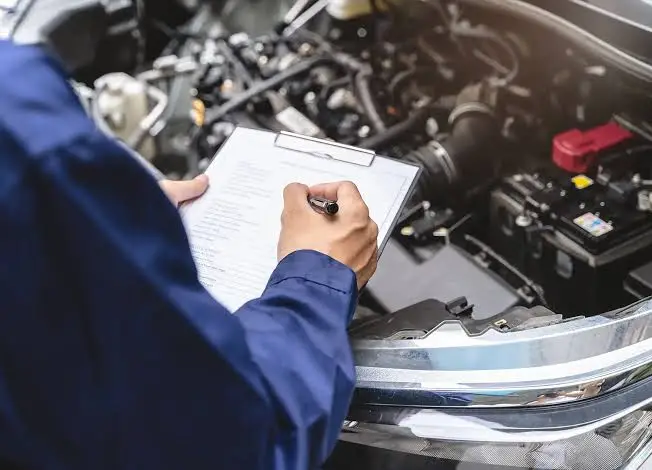
Locate the owner’s manual. Look for service records, invoices, maintenance stickers, and previous inspection reports. Record the current mileage and write down anything you can verify about previous oil changes, brake work, tire replacement, battery replacement, and major services.
This is especially important when buying used.
One thing I have seen repeatedly is an owner who assumes a car has been properly serviced because the engine sounds good and the vehicle drives well. Those are useful observations, but they do not prove that scheduled maintenance has been completed.
A car can drive perfectly while being overdue for maintenance.
Your first-owner baseline
Record:
- Vehicle make and model
- Model year
- Engine type
- Transmission type
- Current mileage
- Date purchased
- Service history available
- Tire condition and age
- Battery condition
- Known repairs
- Warning lights
- Next manufacturer-specified service
This becomes your starting point. From there, you are no longer guessing about what happened before you owned the vehicle.
What I Would Check First If You Just Bought a Used Car
If you brought a recently purchased used car into my workshop and told me you wanted to know where you stood, I would not begin by replacing parts simply because the service history was unclear.
I would begin with a baseline inspection.
I would want to know the current mileage, the maintenance history, the condition of the battery and charging system, the tires, visible leaks, warning lights, and any symptoms the vehicle is already showing.
Then I would compare what I found with the manufacturer’s maintenance requirements.
That distinction matters.
Unknown maintenance history does not automatically mean every component needs replacing. It means you need enough information to decide what actually needs attention.
For example, if there is no proof that the battery has ever been tested, testing it gives you information. If there is no record of a particular service, checking the manufacturer’s requirements tells you whether that service is currently due.
Good maintenance is not about replacing everything you cannot verify. It is about reducing uncertainty.
Basic Car Maintenance Checklist
A basic checklist should cover the systems that affect reliability, safety, and normal vehicle operation.
Engine Oil and Filter
Engine oil is one of the most important routine maintenance items on a conventional petrol or diesel vehicle.
But I would not automatically tell every owner to change the oil at the same mileage.
The correct oil specification and service interval depend on the vehicle. Engine design, oil specification, model year, and operating conditions can all matter.
Follow the manufacturer’s schedule.
Also, do not judge oil condition simply by looking at its color. Used engine oil can become dark during normal operation. Color alone cannot tell you whether the oil has reached the end of its service interval.
If your vehicle has a dipstick and the manufacturer provides a procedure for checking the oil, learn that procedure and use it.
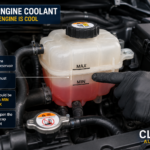
Coolant
Coolant is another item that new owners often treat too casually.
If the coolant level is low, topping it up may solve the immediate low-level condition, but it does not answer the important question:
Why did the level fall?
If you repeatedly have to add coolant, the vehicle needs investigation.
Check the coolant reservoir when the engine is cold and look for obvious signs of leakage. Never open a hot cooling system simply to check the level.
Brake Fluid
Brake fluid should not be treated like windshield washer fluid.
If the level changes significantly, there may be a reason. Depending on the vehicle, it can relate to brake wear, a leak, or another braking-system condition.
If the brake pedal feels different at the same time, do not simply top up the reservoir and continue driving.
Have the system inspected.
Transmission Fluid
Transmission maintenance is highly vehicle-specific.
Some automatic transmissions have dipsticks. Some do not. Some require a particular fluid temperature and procedure for checking the level. Some transmissions have manufacturer-specific service requirements.
Do not assume that every automatic transmission can be checked or serviced in the same way.
Your owner’s manual and the manufacturer’s service procedure take priority.
Washer Fluid
This is simple but important.
A dirty windshield can reduce visibility, especially at night, in rain or when road spray covers the glass.
Keep the reservoir filled with appropriate washer fluid.
Tires
Your tires deserve more attention than many new owners give them.
Check:
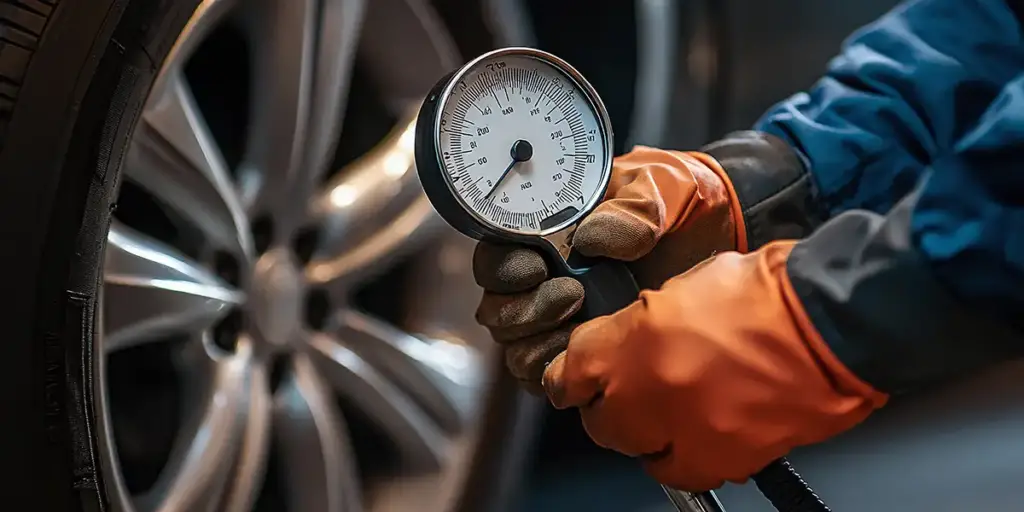
- Tire pressure
- Tread condition
- Sidewall damage
- Cracks
- Bulges
- Uneven wear
- Embedded objects
- Tire age
The correct pressure is the vehicle manufacturer’s recommended pressure, usually found on the driver’s door placard or in the owner’s manual.
It is not automatically the maximum pressure printed on the tire sidewall.
That is an easy mistake to make and one I would rather a new owner learn once than repeat for years.
Car Maintenance Checklist by Mileage
Mileage is useful for planning, but it should never replace the manufacturer’s maintenance schedule.
A generic mileage chart can help you remember what to investigate, but the exact service interval belongs to your particular vehicle.
| Mileage | What to Review |
|---|---|
| Regularly | Tires, warning lights, unusual noises, leaks, and vehicle behavior |
| Around 5,000 miles | Oil/service requirements, tires, brakes, and fluid checks according to manufacturer |
| Around 10,000 miles | Filters, tires, brakes, and scheduled inspections according to the manufacturer |
| Around 30,000 miles | Major scheduled inspection and manufacturer-specified services |
| Around 60,000 miles | Scheduled fluids, filters, belts, and other vehicle-specific items |
| Around 100,000 miles | Major scheduled maintenance and age-related component inspection |
These are planning points, not universal service intervals.
Your vehicle may require something sooner, later, or not at all.
For that reason, I would never recommend copying a 30,000-mile service list from another vehicle and assuming it applies to yours.
The owner’s manual wins.
Car Maintenance Checklist by Time
Mileage is only one way a vehicle ages.
A car that travels very little can still develop age-related problems. Tires, batteries, rubber components, seals, wiper blades, and other parts are affected by time and environmental conditions as well as mileage.
This is why a car that has only covered a few thousand miles in a year should not automatically be considered maintenance-free.
Pay attention to:
- Tire age and condition
- Battery age and performance
- Wiper blades
- Rubber hoses
- Belts where applicable
- Fluid condition
- Brake system
- Air-conditioning performance
- Corrosion
- Spare tire
- Manufacturer-specified time-based services
Low mileage is not the same thing as low maintenance.
What to Check Every Month
A monthly inspection does not need to become a major workshop session.
You are looking for changes.
Check the Tires
Use a pressure gauge rather than judging pressure from appearance.
Look for uneven wear, cuts, cracks, bulges, and objects in the tread.
If one tire keeps losing pressure, do not keep inflating it every few days and call that maintenance. Find the cause.
Check Engine Oil
If your vehicle uses a dipstick, check the oil according to the manufacturer’s procedure.
Check it on a level surface and use the conditions specified in the owner’s manual.
Check Coolant
Check the reservoir when the engine is cold.
If the level continues falling, investigate the cause.
Check the Lights
Check:
- Headlights
- Brake lights
- Turn signals
- Hazard lights
- Reverse lights
- Parking lights
A failed exterior light is an easy problem to overlook until you actually need it.
Look Under the Car
A new fluid spot underneath the vehicle is worth investigating.
Not every puddle is a serious problem. Water from air-conditioning condensation, for example, can be normal.
But if you notice a recurring oily, colored, or otherwise unusual fluid leak, do not ignore it.
A Car Maintenance Checklist for Vehicle Fluids
Do not think of vehicle fluids simply as reservoirs that need to remain full.
Every fluid has a purpose, and a changing level can sometimes tell you that another component needs attention.
Engine oil
Check the level and follow the specified oil grade and service interval.
Coolant
Check when cold and investigate repeated loss.
Brake fluid
A significant level change deserves attention rather than automatic topping up.
Transmission fluid
Use the vehicle-specific checking and service procedure.
Power steering fluid
Only applicable to vehicles using hydraulic power steering. Many newer vehicles use electric power steering.
Washer fluid
Keep enough available for good visibility.
One of the most useful habits a new owner can develop is to stop asking only, “Can I top this up?”
Also ask:
“Why did the level change?”
That second question is often where useful diagnosis begins.
Tires: The Part of the Car Touching the Road
New owners sometimes spend most of their attention on the engine because that is what they associate with the car’s mechanical health.
But your tires are the only components connecting the vehicle to the road.
Check their pressure regularly and inspect their condition.
Look for:
- Uneven tread wear
- Cracks
- Bulges
- Cuts
- Punctures
- Abnormal wear
- Incorrect pressure
If one side of a tire is wearing differently from the other, do not automatically blame the tire.
Uneven wear can point toward inflation problems, alignment issues, suspension problems, or other conditions.
Do not use the tire sidewall pressure as your target.
The number printed on the tire sidewall is not necessarily the recommended pressure for your vehicle.
Use the pressure specified by the vehicle manufacturer.
That small distinction can prevent years of incorrect tire inflation.
Brake Checks New Owners Should Understand
Do not wait for a brake to make noise before you pay attention.
Brake problems can develop without dramatic symptoms.
Pay attention to:
- Brake pedal feel
- Pulling during braking
- Vibration
- Grinding
- Squealing
- Increased stopping distance
- Brake warning lights
- Changes in braking behavior
If the pedal suddenly feels soft, sinks unusually far, or braking performance changes significantly, that is no longer a routine checklist item.
Have the vehicle inspected.
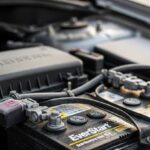
Battery and Starting System Checks
One of the most misleading statements a new owner can make is
“The battery is fine because the car starts.”
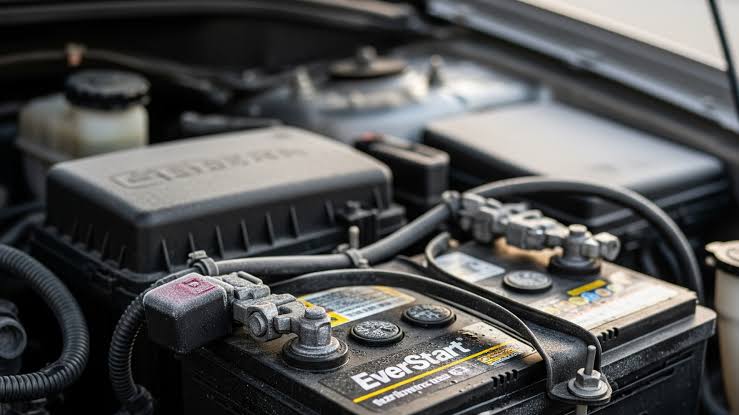
Starting the car tells you that the battery was able to perform that particular start. It does not tell you everything about the battery’s condition or the vehicle’s charging system.
Watch for:
- Slow cranking
- Repeated jump-starts
- Dim lights during starting
- Battery warning light
- Corroded terminals
- Electrical accessories behaving unusually
- Changes in starting performance
If the starting behavior changes, test the battery and charging system instead of guessing.
This is one area where a simple electrical test can provide much more useful information than visual inspection alone.
Filters, Belts, and Hoses
These components are easy to forget because many of them are hidden.
Depending on the vehicle, scheduled maintenance can include:
- Engine air filter
- Cabin air filter
- Fuel filter
- Oil filter
- Belts
- Hoses
Dusty operating environments can also affect filtration requirements.
When inspecting belts and hoses, look for:
- Cracks
- Fraying
- Swelling
- Oil contamination
- Coolant contamination
- Abnormal wear
Do not replace parts simply because an internet article gives you a mileage number.
Check the manufacturer’s schedule and the actual condition of the vehicle.
What Changes When You Buy a Used Car?
A used car changes the maintenance equation because you may inherit someone else’s maintenance decisions.
If the records are complete, you have evidence.
If they are incomplete, you have questions.
That does not mean the car is bad.
It means you should establish your own baseline.
Record the mileage.
Check the fluids.
Inspect the tires.
Check the battery.
Inspect the brakes.
Look for leaks.
Review the maintenance schedule.
Scan for diagnostic trouble codes when appropriate.
Then separate what you know from what you cannot verify.
That simple distinction can prevent a new owner from spending money blindly.
What Can a New Owner Do at Home?
You do not need to become a mechanic to take better care of your car.
Many owners can learn to perform basic inspections safely when they follow the manufacturer’s instructions.
Useful items include:
- Tire pressure gauge
- Flashlight
- Gloves
- Appropriate washer fluid
- Basic emergency equipment
- Maintenance notebook or digital log
A multimeter, battery tester, or scan tool can also be useful, but equipment does not replace knowledge.
Owning a diagnostic tool does not automatically make someone a diagnostician.
If you do not understand what a test result means, the better decision is to have the problem properly diagnosed.
When Should You Take the Car to a Technician?
This is where maintenance and diagnosis become different things.
Maintenance deals with scheduled service and routine inspection.
Diagnosis begins when something has changed and you need to determine why.
Have the vehicle checked when you notice:
- Overheating
- Oil-pressure warning
- Charging-system warning
- Brake warning
- Flashing check engine light
- Significant fluid leakage
- Sudden loss of braking performance
- Repeated starting problems
- Severe vibration
- Steering changes
- Fuel smell
- Smoke
- Major electrical changes
- A warning light that remains when it should not
A checklist should help you identify when to seek help. It should never encourage you to keep driving a vehicle that is showing a potentially serious fault.
Don’t Let the Dashboard Become Your Maintenance Schedule
This is worth repeating because I see this misunderstanding often.
A warning light is not a complete maintenance schedule.
Your vehicle can need:
- Tire pressure adjustment
- Brake inspection
- Filter replacement
- Battery testing
- Fluid inspection
- Tire rotation
- Scheduled transmission service
without displaying a warning light for each item.
The dashboard tells you when certain monitored conditions have triggered a warning. It does not certify that every maintenance item is current.
How to Keep a Car Maintenance Log
A checklist tells you what to inspect.
A maintenance log tells you what actually happened.
That distinction becomes increasingly valuable as the vehicle gets older.
Record:
| Date | Mileage | Service Performed | Parts/Fluids | Next Service | Notes |
|---|---|---|---|---|---|
Keep invoices and repair records whenever possible.
I strongly recommend doing this even if you are not planning to sell the car soon. When a problem eventually appears, knowing what was previously repaired can save diagnostic time and prevent unnecessary replacement of parts that were already addressed.
Download the Printable Car Maintenance Checklist.
If you have just bought a vehicle, the easiest way to start is to establish your baseline and record it.
I created a printable checklist that gives you space to record the vehicle’s current mileage, complete the initial inspection, and keep a maintenance history.
Download the Printable Car Maintenance Checklist PDF.
Print it and keep it with your vehicle records, or save a copy digitally and update it after each service.
The most useful maintenance record is the one you actually keep.
Printable Car Maintenance Checklist
New Owner Baseline Inspection
- Locate the owner’s manual and service history
- Record current mileage
- Check engine oil according to the manufacturer’s procedure
- Check coolant level when the engine is cold
- Check applicable brake and transmission fluids
- Inspect tires, tread, and sidewalls
- Check tire pressure
- Inspect spare tire if equipped
- Inspect brakes
- Check battery condition
- Check exterior lights
- Look for visible fluid leaks
- Check dashboard warning lights
- Inspect wipers and windshield
- Identify overdue or unknown maintenance
Regular Checks
- Tire pressure
- Tire tread and visible damage
- Engine oil level where applicable
- Coolant level
- Visible leaks
- Exterior lights
- Wipers
- Unusual noises
- Unusual vibrations
- Dashboard warning lights
Scheduled Maintenance
- Engine oil and filter
- Engine air filter
- Cabin air filter
- Brake inspection
- Tire rotation if specified
- Battery inspection/testing
- Coolant service when specified
- Transmission service when specified
- Spark plugs when specified
- Belt and hose inspection
- Alignment/balance when required
- Manufacturer-specific scheduled services
Common Maintenance Mistakes New Owners Make
Waiting for a warning light
Not every maintenance requirement has a dashboard warning.
Assuming a used car was maintained
Without records, you do not know.
Following another owner’s service interval
Different vehicles have different requirements.
Checking tires only when they look flat
Visual inspection is not an accurate substitute for measuring pressure.
Adding fluid without finding the cause
Repeatedly topping up coolant or another fluid can hide a developing problem.
Treating mileage as the only factor
Time and operating conditions matter too.
Replacing parts because an internet checklist says so
The manufacturer’s schedule and actual vehicle condition should guide maintenance decisions.
Keeping no records
If you cannot remember when something was done, you eventually start guessing.
conclusion
A good car maintenance checklist should not make you feel like you need to become a mechanic.
It should make you a better vehicle owner.
After years of working with vehicles, one of the biggest differences I see between owners who stay ahead of problems and those who constantly react to them is not that one group knows everything about cars.
It is that the first group pays attention, keeps records, and acts when something changes.
If you have just bought a used vehicle, do not start by assuming everything is fine or everything needs replacing.
Find the owner’s manual.
Establish what has actually been done.
Record the current condition.
Identify what you cannot verify.
Then build your maintenance schedule from reliable information.
That is a much better approach than blindly following a generic checklist from the internet.
And when the car starts behaving differently, do not wait for a warning light to give you permission to investigate.
Sometimes the most valuable maintenance information is simply the fact that your car did something yesterday that it did not do today.
How often should I do basic car maintenance?
There is no single interval that applies to every vehicle. Follow your manufacturer’s maintenance schedule and pay attention to the vehicle’s operating conditions and changes in behavior.
What is the most important maintenance for a new car owner?
Start with the manufacturer’s scheduled maintenance, tire condition and pressure, fluid levels, brakes, battery, warning lights, and unusual changes in vehicle behavior.
How often should I check my tire pressure?
Check it regularly according to your manufacturer’s recommendations. A monthly check is a useful minimum habit, with additional checks before long journeys.
Should I change my oil every 3,000 miles?
Not automatically. The correct interval depends on the vehicle, oil specification, and manufacturer’s schedule. The old universal 3,000-mile rule does not apply to every modern vehicle.
What should I do after buying a used car?
Establish a baseline. Record the mileage, find the service history, inspect important systems, and identify maintenance that cannot be verified.
Can I do car maintenance myself?
Many basic inspections and simple maintenance tasks can be performed by owners who understand and follow the manufacturer’s procedures. More complex diagnoses and safety-critical repairs should be handled by an appropriately equipped technician.
Is a maintenance log really necessary?
It is not mandatory for every owner, but it is extremely useful. It tells you what has been done, when it was done, and what needs attention next.

Leave a Reply