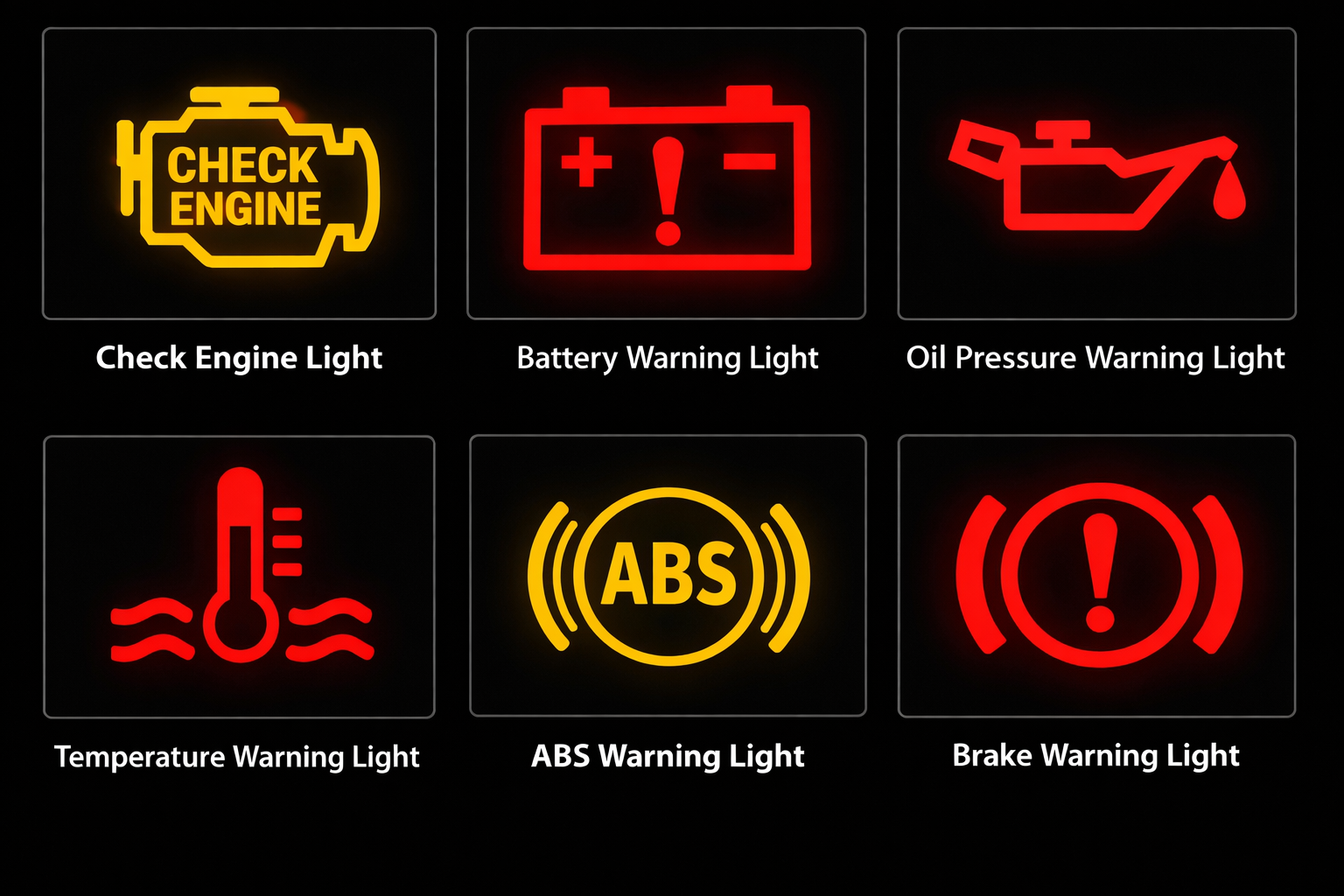
Dashboard indicator lights are not decorative icons.
They are outputs from your vehicle’s control modules, triggered when a system operates outside expected parameters. Some indicate simple status. Others warn of conditions that can damage the engine, braking system, or electrical network if ignored.
Understanding what each light means—and how urgent it is—determines whether you keep driving or stop immediately.
Contents
What Dashboard Indicator Lights Actually Represent
Modern vehicles monitor performance using sensors, control modules, and network communication systems.
When a value moves outside its normal range, the system will:
- Store a fault or abnormal condition
- Trigger a dashboard indicator
- In some cases, limit performance to prevent damage
A warning light is not the failure itself.
It is an early signal that something is no longer operating correctly.
Color Codes: How Urgent Is the Problem?
The color of a dashboard indicator lights meaning determines how quickly you need to act.
Red Lights (Immediate Action Required)
Red lights indicate critical faults.
Common examples:
- Oil pressure warning
- Engine temperature warning
- Brake system warning
If a red light appears, continued driving can cause severe damage or safety failure. The correct action is to stop the vehicle as soon as it is safe.
Yellow or Amber Lights (Diagnosis Required)
These indicate faults that require attention but are not immediately catastrophic.
Examples:
- Check engine light
- ABS warning light
- Traction control warning
The vehicle may still operate normally, but performance, efficiency, or safety systems may be affected.
Green, white or Blue Lights (System Status)
These are informational indicators:
- Headlights active
- Turn signals
- Cruise control engaged
They do not indicate faults.
Common Dashboard Warning Lights and What They Mean
Each warning light corresponds to a specific system. Understanding the cause and severity helps you make the right decision.
Check Engine Light
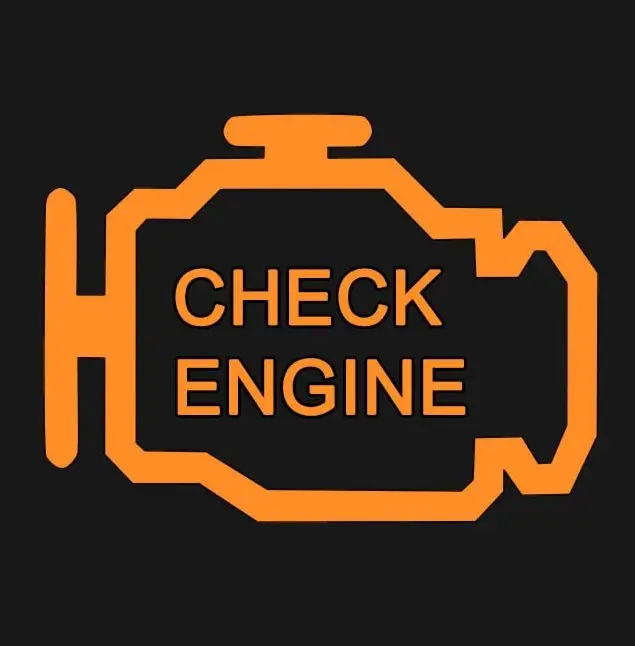
This light is triggered when the engine control module detects a fault affecting emissions, combustion, or sensor readings.
Steady light:
Indicates a stored fault. The vehicle may still run normally, but efficiency or emissions are affected.
Flashing light:
Indicates an active misfire. Continued driving can damage the catalytic converter and lead to expensive repairs.
Common triggers include:
- Sensor faults
- Ignition system weakness
- Fuel system imbalance
- Airflow restrictions
Battery Warning Light
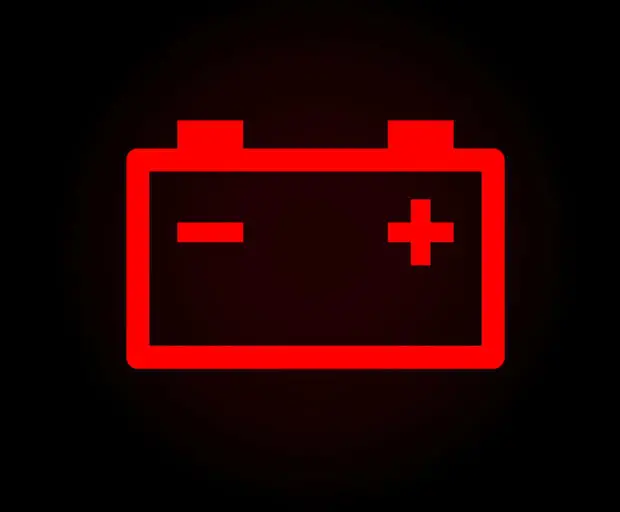
This light indicates a charging system problem, not necessarily a bad battery.
The system is not supplying enough electrical power to maintain operation.
Common causes:
- Failing alternator
- Loose or worn drive belt
- Poor electrical connections
If ignored, the vehicle will eventually lose power and shut down.
Oil Pressure Warning Light
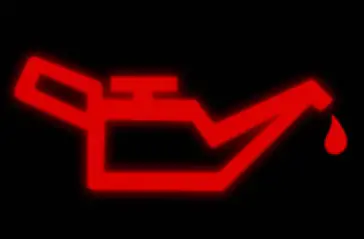
This is a critical warning that indicates low oil pressure.
It does not simply mean low oil level. It means the engine is not receiving proper lubrication.
Possible causes:
- Low oil volume
- Oil pump failure
- Internal engine wear
Driving under this condition can cause severe internal damage within minutes.
Engine Temperature Warning Light
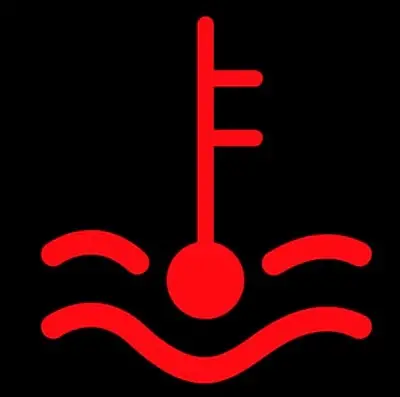
This light signals that the engine is overheating.
It activates when coolant temperature exceeds safe limits.
Common causes:
- Low coolant level
- Cooling system failure
- Blocked radiator
- Faulty thermostat
Overheating can lead to warped engine components or complete engine failure.
ABS Warning Light
This indicates a fault in the anti-lock braking system.
Standard braking may still function, but the system designed to prevent wheel lock during emergency braking may be disabled.
Common causes:
- Wheel speed sensor failure
- Wiring issues
- Control module faults
Traction Control Light
This light behaves differently depending on the situation.
Flashing:
The system is actively preventing wheel slip.
Constant:
System fault or deactivation.
A fault reduces stability control, especially on wet or uneven surfaces.
Brake Warning Light
This light indicates a braking system issue.
Possible causes:
- Low brake fluid
- Worn brake components
- Hydraulic pressure issues
- Parking brake engaged
Any brake-related warning should be treated as a safety concern.
Can You Drive With a Warning Light On?
The answer depends on the type of warning.
- Red lights: driving should stop immediately
- Yellow lights: limited driving is possible, but diagnosis should not be delayed
- Flashing lights: stop driving as soon as possible
Driving with the wrong warning active can turn minor faults into major damage.
Why Is the Warning Light On but the Car Feels Normal?
This is a common situation.
Many faults do not immediately affect how the car drives.
Examples include:
- Sensor inaccuracies
- Early-stage component wear
- Emissions-related faults
The system detects the issue before performance drops. This is an early warning stage, not a false alarm.
What To Do When a Warning Light Comes On
Your response should be structured, not reactive.
Step 1: Identify the Light
Determine whether it is red, yellow, or informational.
Step 2: Check for Immediate Symptoms
Look for overheating, unusual noise, reduced power, or braking issues.
Step 3: Perform Basic Checks
- Check oil level
- Check coolant level
- Inspect battery terminals
Step 4: Plan Diagnosis
If the light remains on, proper testing is required. This includes reading fault codes and verifying system performance.
Avoid replacing parts without confirming the cause.
Warning Lights You Should Never Ignore
Certain warnings require immediate attention regardless of how the vehicle feels.
- Oil pressure warning
- Engine temperature warning
- Brake system warning
- Charging system warning
These systems are critical to engine survival and vehicle safety.
What Happens If You Ignore Warning Lights
Ignoring warning lights allows minor issues to escalate.
Early-stage problems are usually inexpensive to fix. Delayed action increases both complexity and cost.
Examples:
- An ignored misfire can damage the catalytic converter
- Ignored overheating can lead to engine failure
- Ignored charging faults can leave the vehicle stranded
The cost difference between early action and delayed repair can be significant.
Why Dashboard Warning Lights Come On
Warning lights are triggered by specific conditions within monitored systems.
Common root causes include:
- Sensor failure
- Electrical wiring issues
- Mechanical wear
- Fluid degradation or loss
- Carbon buildup affecting airflow and combustion
The system is designed to detect these conditions early.
How Warning Lights Connect to Bigger Problems
Major vehicle failures rarely begin as sudden events.
They develop from small inefficiencies:
- Slight misfires
- Minor airflow restrictions
- Gradual fluid breakdown
These conditions trigger warning lights before complete failure occurs.
Addressing them early prevents escalation.
Related Guides
For deeper diagnosis and system-level understanding, I will be writing about these articles below for your best guidance.
- Check engine light diagnosis guide
- Battery warning light causes and fixes
- Oil pressure warning explained
- Engine overheating causes and solutions
- ABS warning light troubleshooting
Each of these expands on the specific system behind the warning.
conclusion
Dashboard indicator lights are not suggestions.
They are early warnings from systems designed to protect your engine, your safety, and your wallet.
Every light follows a simple logic:
- Something has moved out of normal range
- The system has detected it
- You’ve been alerted before failure happens
Acting early keeps problems small, predictable, and affordable.
Ignoring them allows minor faults to compound into system failures that are harder to diagnose and far more expensive to fix.
The difference between a quick fix and a major repair is often how you respond to that first warning light.



Leave a Reply