The Definitive Guide to 100k Car Maintenance
Reaching 100,000 miles is one of the most consequential maintenance milestones in a vehicle’s life.
Several components reach the end of their designed service interval simultaneously, and most factory warranties have long expired.
What you service — and what you defer — over the next 50,000 miles largely determines whether you get another decade from the vehicle or start paying for it in breakdowns.
This guide covers every major service item at the 100K mark, with current cost ranges, a vehicle-type cost comparison, and a priority order for limited budgets.
Step One: Timing Belt or Timing Chain?
Before anything else, determine whether your engine has a timing belt or a timing chain.
This single fact changes your total 100K service cost by $1,000–$2,000.
| Timing Belt | Timing Chain | |
|---|---|---|
| What it is | Rubber belt, external to engine | Metal chain, inside the engine |
| Designed service interval | 60,000–105,000 miles | Designed to last the engine’s life |
| Replacement cost (shop) | $365–$900 | $1,600–$2,701 (standard); $3,000–$5,000+ (luxury/European) |
| DIY cost | ~$100–$350 in parts + 3–5 hours labor | Not recommended — major disassembly |
| If it fails on an interference engine | Catastrophic valve and piston damage | Usually preceded by rattle and fault codes |
| Common examples | Many Honda 4-cyl (pre-2012), Subaru EJ-series, some VW/Audi | Most post-2012 engines, GM V8s, Ford EcoBoost |
How to check:
Search “[your make/model/year] timing belt or chain” — this is documented for every common vehicle.
Or check your owner’s manual under the 60K–100K maintenance schedule. If it lists timing belt replacement, your engine has one.
If your car has a timing belt and is at or near 100K miles, replacement is not optional. Skipping it on an interference engine risks total engine failure.
Pro tip:
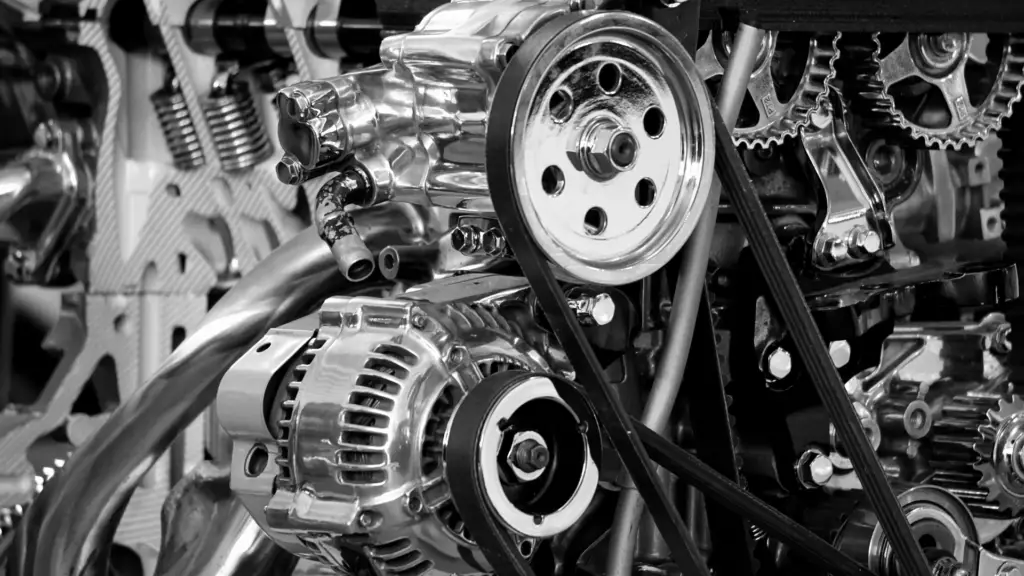
When replacing a timing belt, replace the water pump at the same time if it is driven by the same belt.
The water pump costs $50–$150 in parts and fails in 10–15% of vehicles over 100K miles. Replacing it later means paying for the labor to access the belt a second time.
Required vs. Recommended vs. Inspect First
Not everything on a shop’s 100K checklist is equally urgent. Here is how to sort the list before authorizing any work:
| Priority | Services |
|---|---|
| Required — do not defer | Timing belt (if equipped), spark plugs, engine oil + filter, air filter, cabin air filter |
| Strongly recommended | Coolant flush, transmission fluid change, brake fluid replacement, serpentine belt inspection |
| Inspect before deciding | Shocks/struts, brake pads/rotors, battery, CV axles, suspension bushings |
| Vehicle-specific | Water pump (usually with timing belt), PCV valve, fuel filter |
Cost Breakdown: Individual 100k Car Maintenance Service Items
| Service | Cost Range | Notes |
|---|---|---|
| Spark plug replacement | $120–$433 | Varies by engine layout; iridium plugs cost more but last longer |
| Coolant flush | ~$85 | Full drain-and-fill; prevents corrosion and overheating |
| Brake fluid replacement | ~$75 | Moisture-absorbed fluid reduces stopping power and corrodes ABS components |
| Transmission fluid change | $75–$374 | $75 DIY parts estimate; $290–$374 at a shop for a full service |
| Engine oil + filter | ~$75 | Synthetic oil recommended at 100K+ |
| Engine air filter | ~$35 | Simple DIY; replace regardless of visual appearance |
| Cabin air filter | ~$25 | Most vehicles: under 10 minutes, no tools |
| Timing belt replacement (shop) | $365–$900 | Higher end for larger or more complex engines |
| Timing belt replacement (DIY) | ~$100–$350 in parts | Add 3–5 hours labor; not recommended for first-timers |
| Timing chain replacement | $1,600–$2,701 | Standard vehicles; up to $5,000+ for luxury or European |
Total 100K Service Cost by Vehicle Type
The single biggest variable in your total cost is what you drive:
| Vehicle | Estimated Total Cost | What Drives the Range |
|---|---|---|
| Toyota/Honda sedans and SUVs | $400–$800 | Lower parts cost, simpler engine access |
| American trucks and SUVs | $600–$1,200 | More components; larger engines add labor time |
| Acura, Lexus, Infiniti | $1,000–$1,400 | Example: Acura TLX 4-cyl with water pump, serpentine belt, coolant flush, and spark plugs ran $1,300–$1,400 at a dealer |
| BMW / Mercedes-Benz | $1,200–$3,000+ | Premium labor rates plus OEM-only part requirements |
| Labor for full inspection only | $200–$350 | Without any parts replacement |
Dealer vs. independent shop:
Independent shops typically charge 20–30% less for the same 100K service. A complete service that runs $800–$1,500 at a dealership often runs $500–$1,200 at a qualified independent mechanic.
Service-by-Service Breakdown
Spark Plugs
Most modern vehicles use iridium or platinum plugs rated for 60,000–100,000 miles. Signs they are overdue: rough idle, harder starting, and a slight drop in fuel economy.
A CarMD survey found spark plugs account for a 4.9% failure rate in vehicles around 100K miles.
Cost: $120–$200 in parts. Total with shop labor: $314–$433 depending on engine layout. V6 and V8 engines cost more due to plug access and quantity.
Timing Belt
The highest-stakes item at 100K for belt-equipped engines. On interference engines, where the valves and pistons share the same cylinder space, a snapped belt causes immediate catastrophic damage: bent valves, damaged pistons, and a repair bill that typically exceeds $3,000 and often exceeds the vehicle’s value.
Timing belt failure rate at 100K miles: 7.6% (CarMD data).
Shop cost: $365–$585 (AAA estimate); $400–$900 depending on vehicle.
Coolant Flush
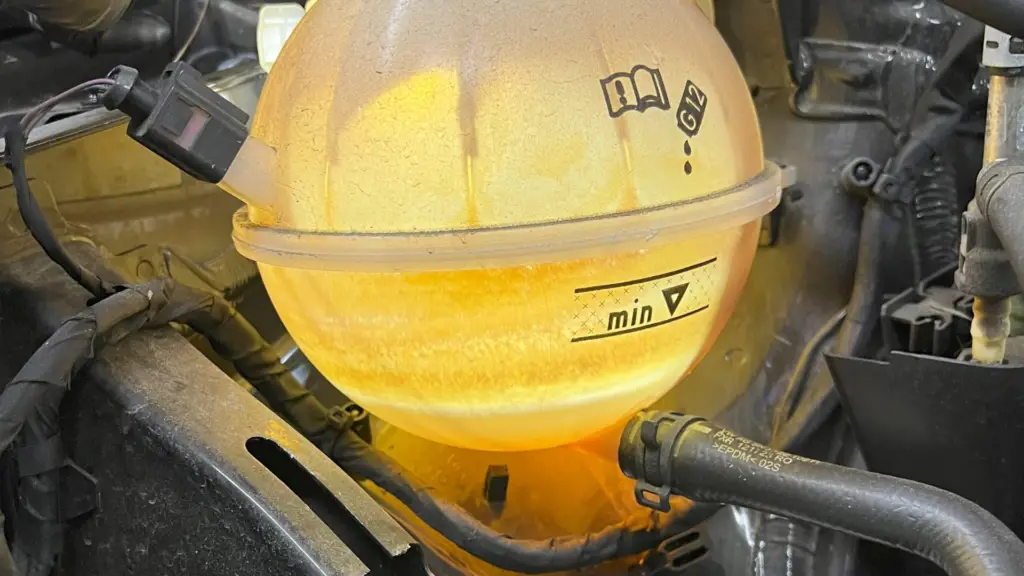
Engine coolant degrades over time, losing its corrosion-inhibiting properties even before it visually looks degraded.
Most OEM coolants are due at 100K regardless of color or appearance. Cost: approximately $85 for a full exchange.
Transmission Fluid
An estimated 90% of transmissions should be serviced by 100,000 miles, according to Automotive Aftermarket Suppliers Association (AASA) data.
Skipping transmission fluid service is one of the leading causes of transmission failure after 100K miles.
Cost: $75 for a DIY parts estimate; $290–$374 at a shop for a complete service.
Always use the fluid specification listed in the owner’s manual — using the wrong fluid type causes more harm than skipping the change.
Brake Fluid
Brake fluid is hygroscopic, meaning it absorbs moisture from the air over time.
Moisture contamination lowers the fluid’s boiling point, causing brake fade under hard use, and accelerates corrosion in ABS actuators and calipers. Cost: approximately $75.
Frequently overlooked; disproportionate safety impact per dollar.
100K Maintenance Checklist (Complete)
Engine
- Replace spark plugs with OEM, iridium, or platinum plugs specified for your engine
- Inspect and adjust valve lash on applicable engines (critical on interference engines without hydraulic lifters)
- Check for oil leaks at valve covers, oil pan, and front/rear main seals
- Replace timing belt if equipped (see timing belt section above)
- Inspect timing chain tensioner and guides if chain-equipped
- Replace serpentine belt if cracked, fraying, or glazed
- Inspect PCV valve and crankcase ventilation lines
Fluids
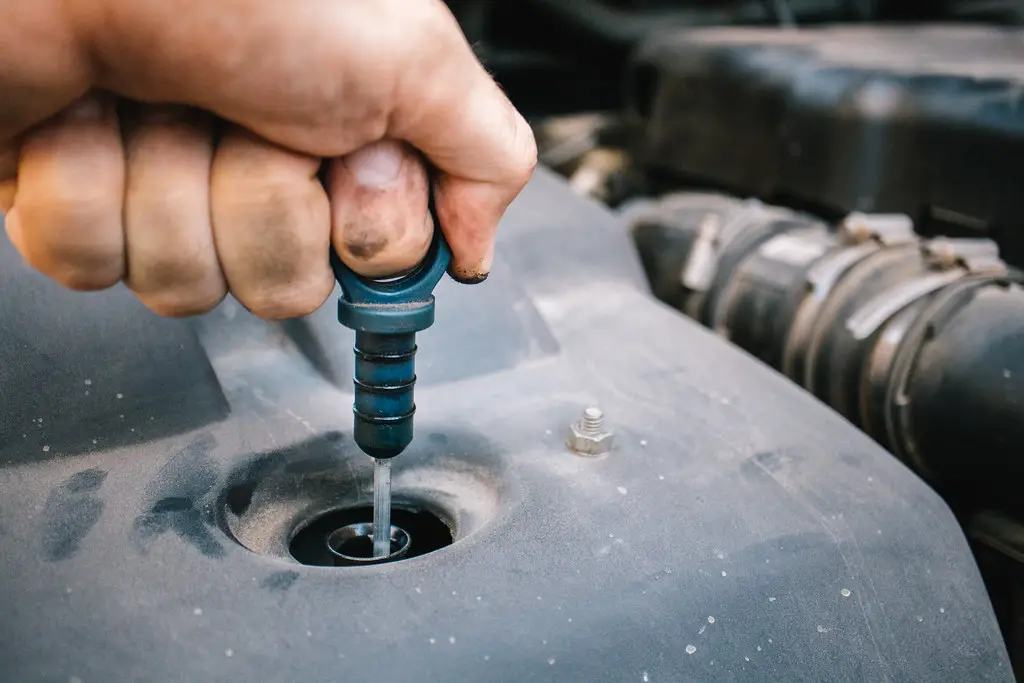
- Change engine oil and filter
- Flush and refill transmission fluid
- Flush engine coolant; replace with OEM-specified coolant
- Replace brake fluid; use only DOT-approved fluid
- Inspect the power steering fluid level and condition
Filters
- Replace engine air filter
- Replace cabin air filter
- Replace fuel filter if service schedule indicates (75% need replacement before 100K, per AASA)
Suspension and Steering
- Inspect shocks and struts; approximately 51% need replacement around 100K miles due to oil leaks or worn bushings (AAA data)
- Check ball joints, bushings, and wheel bearings for play and wear
- Grease all Zerk fittings on suspension and steering pivot points
Battery and Electrical
- Load-test battery; batteries average 3–5 years per Battery Council data
- Clean battery terminals and re-torque cable connections
- Run a diagnostic scan for stored fault codes before beginning any service
Brakes
- Measure brake pad thickness; replace pads and machine or replace rotors as needed
- Flush brake fluid
- Inspect calipers, hoses, and rubber brake lines for leaks or deterioration
Tires and Wheels
- Rotate and balance tires
- Check tread depth (minimum 2/32″, recommended 4/32″ for winter climates)
- Inspect sidewalls for cracks or bulges
- Verify inflation pressure
Exhaust and Driveline
- Inspect catalytic converter; 5.8% failure rate at 100K (CarMD)
- Check muffler, piping, and hangers for leaks or corrosion
- Inspect CV axle boots for tears; listen for clicking during turns
- Check U-joints and center carrier bearings on RWD/AWD vehicles
DIY vs. Shop: What Is Realistic
| Service | DIY Difficulty | Worth Doing DIY? |
|---|---|---|
| Engine air filter | Easy | Yes |
| Cabin air filter | Easy | Yes |
| Engine oil + filter | Easy | Yes |
| Spark plugs (4-cyl) | Moderate | Yes |
| Spark plugs (V6 / V8) | Moderate–Hard | Depends on engine access |
| Serpentine belt | Moderate | Yes, with belt routing diagram |
| Coolant drain-and-fill | Moderate | Yes |
| Transmission drain-and-fill | Moderate | Yes (not a full flush) |
| Brake pad replacement | Moderate | Yes, with jack stands and caliper tools |
| Timing belt | Hard | No — errors cause engine destruction |
| Timing chain | Very hard | No — major disassembly; shop only |
| Suspension inspection | Hard | No — requires lift and trained eye |
Is the 100K Service Worth It? A Honest Framework
Not every vehicle is worth a full $1,000+ service. Use this to decide:
- Vehicle is worth significantly more than the service cost: Service it. A $700 service on a $10,000 car is a strong investment.
- Total repairs needed exceed 50% of the vehicle’s current value: Evaluate replacement before committing.
- Timing chain replacement required on a vehicle already showing rust and high wear: In many cases, this is a practical write-off scenario.
- Transmission is already slipping or shifting hard: Get a mechanic’s honest assessment before spending anything else.
A pre-service diagnostic scan ($50–$100 at most shops) is worth doing before authorizing full 100K service.
It surfaces existing fault codes and tells you what problems already exist before the work begins.
If Your Budget Is Limited: Priority Order
If you cannot do everything at once, this is the correct service sequence:
- Timing belt (if equipped) — catastrophic failure risk makes this non-negotiable at 100K
- Spark plugs — direct impact on performance and starting reliability
- Engine oil + filter — lowest cost, highest ongoing protection
- Transmission fluid — silently damages the most expensive drivetrain component when skipped
- Coolant flush — critical before high-heat seasons; prevents overheating damage
- Brake fluid — low cost, direct safety impact
- Air and cabin filters — easy DIY; defer only under genuine budget pressure
- Shocks, belts, and hoses — inspect first; replace only on evidence of wear
Frequently Asked Questions
How much does a 100,000-mile service cost?
For most vehicles, a complete 100K service runs $400–$800 at an independent shop. Luxury and European vehicles typically cost $1,200–$3,000 or more, particularly if timing chain service is required.
Does my car have a timing belt or timing chain?
Check the maintenance schedule in your owner’s manual, or search “[your make/model/year] timing belt or chain.” This is well-documented for every common vehicle. If your manual lists a timing belt replacement interval, your engine has one.
Can I skip the 100K service?
Some items can be deferred briefly, but skipping the timing belt (if equipped), spark plugs, and transmission fluid carries measurable failure risk. These three items cause compounding damage when neglected.
Is 100,000 miles considered high mileage?
Not anymore. Modern vehicles regularly reach 200,000+ miles with consistent maintenance. The 100K mark is a scheduled maintenance milestone, not a signal that the vehicle is near the end of its life.
Should I use a dealer or an independent shop for 100K service?
For most vehicles, a qualified independent shop with ASE-certified technicians provides equal quality at 20–30% lower cost. Dealers offer advantages if the vehicle is under any active extended warranty, or for brand-specific diagnostic equipment on complex European or luxury vehicles.
What happens if I miss a timing belt replacement?
On an interference engine, a broken timing belt causes the valves and pistons to collide, resulting in bent valves, broken pistons, or a destroyed cylinder head. Repair costs typically exceed $3,000 and frequently exceed the vehicle’s value. There is no warning before failure.

Leave a Reply