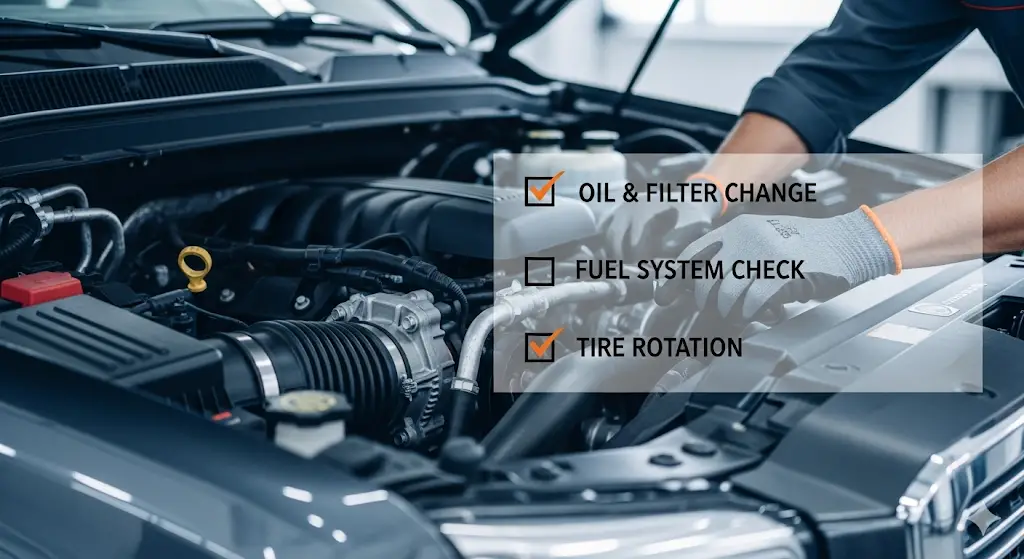
Buying your first car is exciting. Maintaining it correctly is what determines whether that excitement lasts or turns into constant repair bills.
Most new car owners don’t damage their vehicles by neglect. They damage them by doing the wrong things first, trusting outdated advice, or assuming modern cars take care of themselves.
This guide explains What Maintenance Should a New Car Owner Do First. , why it matters, and how to build good maintenance habits from day one without wasting money.
Contents
Step 1: Confirm What the Car Actually Needs (Not What You’re Told)
Before any service is done, you must understand one thing:
Every car has its own maintenance logic.
Dealers, roadside mechanics, and friends often recommend services based on habit, not on your vehicle’s requirements.
Your first task as a new owner is to
- Locate the owner’s manual (physical or digital)
- Identify recommended service intervals
- Separate inspection items from replacement items
Modern cars rarely need immediate part replacement. What they need first is verification.
This single step prevents unnecessary oil changes, fluid flushes, and premature part replacements.
Step 2: Establish a Safety Baseline
Even if the car looks perfect, safety items must be verified immediately.
These are the systems that protect you regardless of how often you drive.
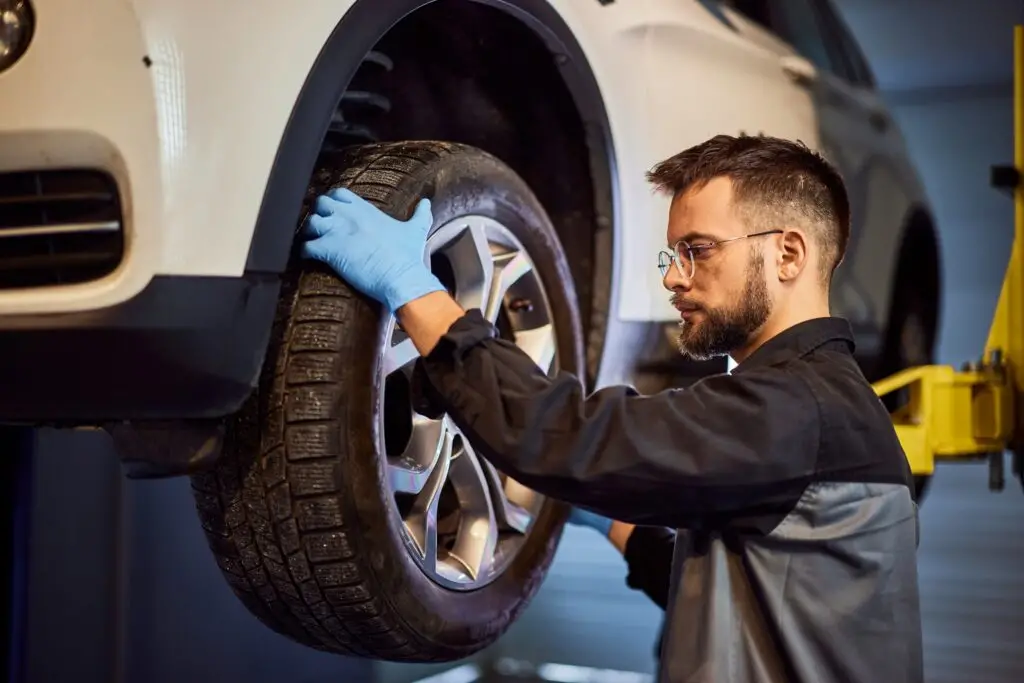
Tires
- Check tire pressure when cold
- Inspect tread depth, not just appearance
- Confirm all four tires are the same type and size
Incorrect tire pressure affects braking, steering, fuel economy, and tire lifespan.
Brakes
- Listen for grinding or squealing
- Pay attention to vibration while braking
- Confirm brake fluid level without topping off blindly
Brake issues often give early warnings that new owners ignore.
Exterior and Interior Lights
- Headlights
- Brake lights
- Turn signals
- Reverse lights
Electrical faults often appear first through lightning behavior.
Step 3: Check All Fluids the Right Way
Fluids are critical, but topping them off incorrectly can cause damage.
Your goal is assessment, not correction.
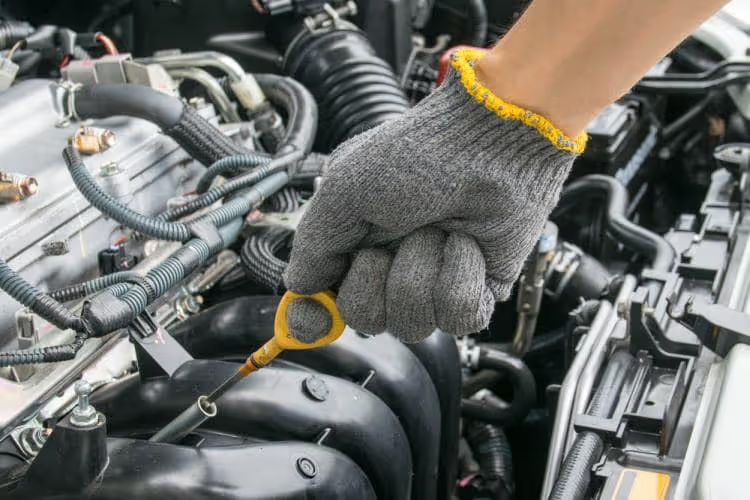
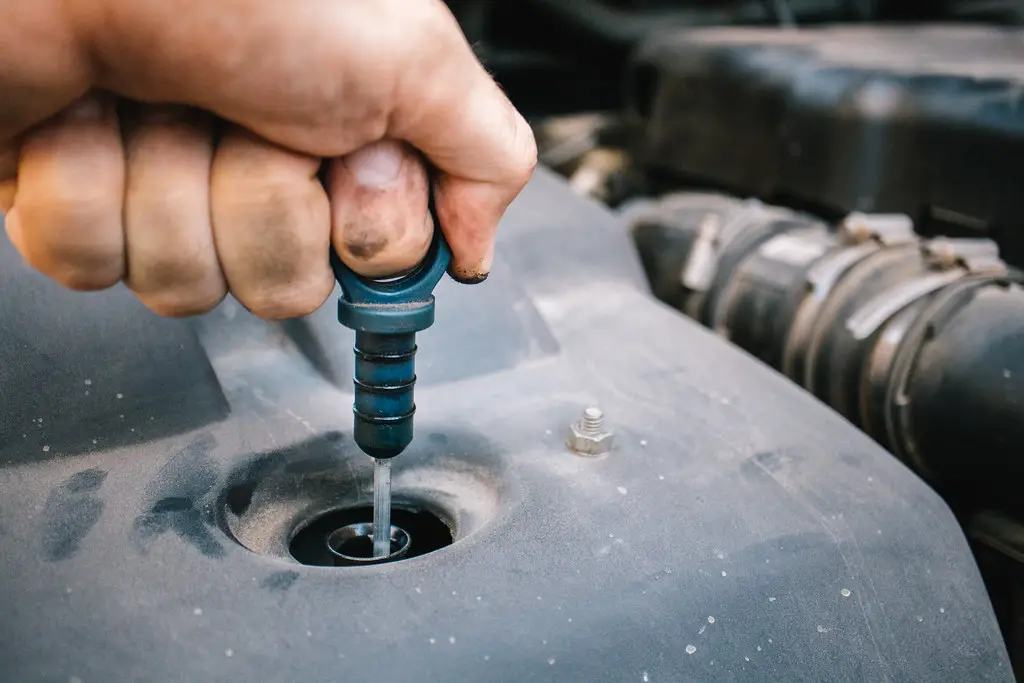
Engine Oil
- Check level on a flat surface
- Observe oil color and smell
- Dark oil is not automatically bad oil
Coolant
- Never mix coolant types
- Color matters in modern vehicles
- Low coolant can indicate leaks, not neglect
Brake Fluid
- Should remain stable over time
- Dark fluid suggests moisture contamination
- Do not flush unless specified
Transmission Fluid
- Many modern cars are sealed
- Checking incorrectly can cause damage
- Follow the manufacturer’s procedure exactly
Fluid checks help you understand the car’s history, not just its current condition.
Step 4: Set a Maintenance Rhythm Early
Maintenance works best when it becomes routine.
Instead of guessing by mileage alone, new owners should:
- Perform quick monthly checks
- Do deeper inspections every 3–6 months
- Track services digitally or manually
Modern vehicles benefit from consistency, not over-servicing.
A simple habit of observation prevents small issues from becoming expensive failures.
This is where a structured checklist becomes valuable.
👉 Refer to: Car Maintenance Checklist for New Owners
Step 5: Understand Dashboard Warnings Before Panic Sets In
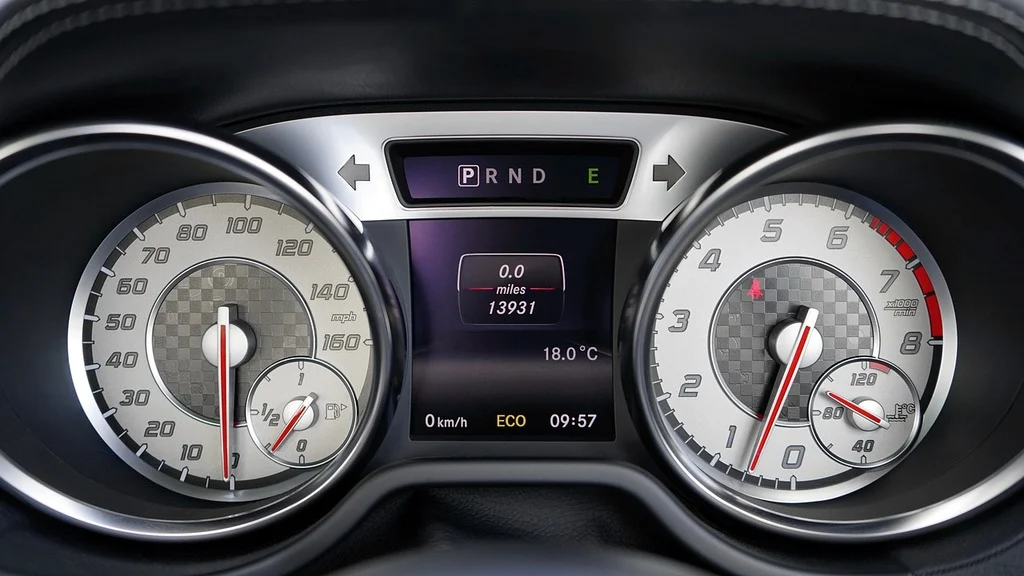
Dashboard lights are information tools, not instant failure indicators.
New owners often make two mistakes:
- Ignoring warnings for too long
- Panicking and authorizing unnecessary repairs
Learn the difference between:
- Advisory warnings
- Performance warnings
- Safety-critical alerts
If a warning appears without drivability issues, diagnosis should come before repair.
Step 6: Pay Attention to Sounds, Smells, and Feel
Cars communicate problems early through subtle changes.
Watch for:
- New vibrations
- Burning smells
- Clicking or knocking sounds
- Delayed engine response
These signals matter more than mileage alone.
Ignoring early signs often leads to failures that could have been prevented with inspection.
Step 7: Avoid Common New Owner Maintenance Mistakes
These errors cost more money than neglect itself.
Over-servicing
Replacing parts too early does not extend vehicle life.
Blind Fluid Topping
Low fluid usually indicates a problem, not a shortage.
Copying Old-Car Advice
2026 vehicles rely heavily on electronics, sensors, and control modules. Old habits don’t apply.
Ignoring Recalls and Software Updates
Modern maintenance includes updates, not just parts.
Step 8: Use a Structured Checklist, Not Memory
Memory fails. Systems don’t.
A structured maintenance checklist ensures:
- Nothing is skipped
- Patterns are noticed early
- Services are timed correctly
This is why printable and digital checklists remain essential even for modern vehicles.
Here is a free printable checklist.
Key Takeaway for New Car Owners
The first maintenance steps determine the long-term health of your car.
Proper maintenance starts with:
- Verification before replacement
- Observation before assumption
- Routine before reaction
When new owners understand what to check, why it matters, and when to act, vehicles last longer and cost less to own.

Leave a Reply