Owning a car means more than simply driving it. Long-term reliability depends on following a structured maintenance schedule.
Many drivers only service their vehicles when something breaks. That approach leads to expensive repairs and a shorter vehicle lifespan.
A mileage-based maintenance schedule prevents that problem.
Instead of guessing when to service your car, this system follows manufacturer service intervals based on how far the vehicle has traveled.
By following the correct maintenance schedule, you can:
• prevent costly mechanical failures
• improve fuel efficiency
• extend the life of your vehicle
• maintain resale value
This Car Maintenance Schedule by Mileage guide explains what maintenance tasks should be performed at key mileage intervals from 0 miles to 200,000 miles.
Contents
Why Mileage-Based Maintenance Matters
Modern vehicles are engineered with precise service intervals.
Components such as engine oil, transmission fluid, spark plugs, and filters degrade gradually over time.
Mileage-based maintenance ensures those components are serviced before failure occurs.
Drivers who ignore scheduled maintenance often experience the following:
• engine overheating
• transmission damage
• premature brake wear
• reduced fuel economy
A consistent service routine keeps the vehicle operating safely and efficiently.
For drivers who are new to car ownership, it is helpful to follow a complete car maintenance checklist that outlines both routine inspections and mileage-based services.
0 – 5,000 Miles
During the first few thousand miles, most vehicles require minimal maintenance. However, this is the stage where healthy habits should begin.
Recommended checks
Check tire pressure regularly
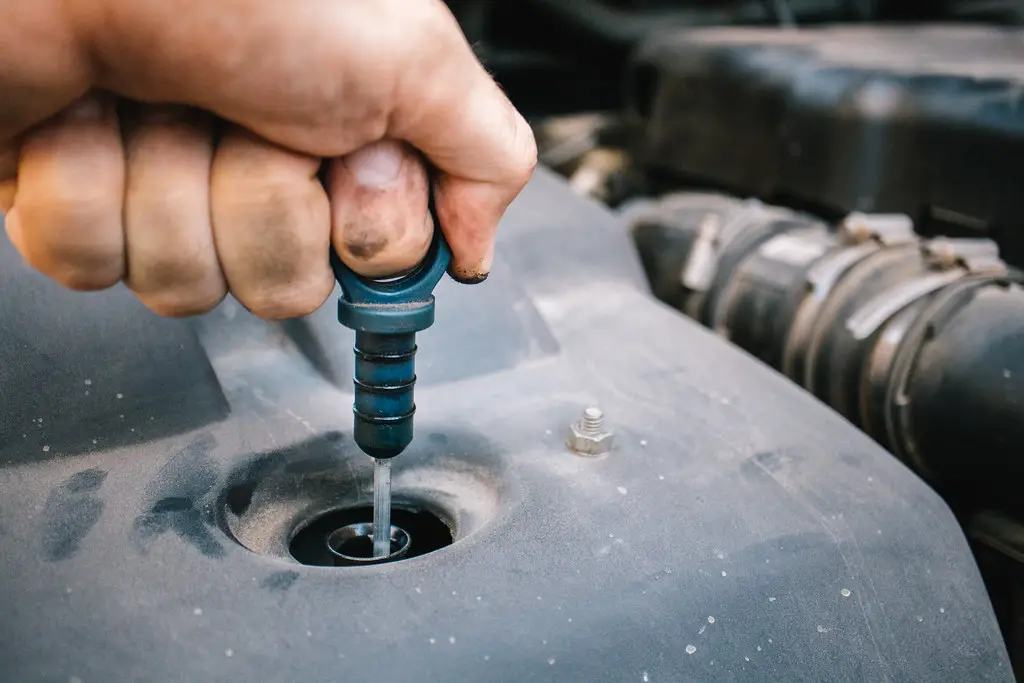
Inspect engine oil level
Check coolant level
Ensure all lights are working
Oil change
Many manufacturers recommend the first oil change around 5,000 miles, especially for conventional oil.
This early service helps remove microscopic metal particles created during the engine break-in period.
10,000 Miles
By 10,000 miles, some routine service tasks should be performed.
Maintenance tasks
Rotate the tires.
Inspect brake pads and rotors
Replace engine air filter if dirty
Inspect belts and hoses
Tire rotation helps ensure even wear and extends tire lifespan.
Drivers who want to understand how long tires typically last can refer to guides explaining tire lifespan and wear patterns.
20,000 Miles
At this stage, vehicles should undergo more detailed inspection.
Recommended service
Replace cabin air filter
Inspect battery condition
Check suspension components
Inspect brake fluid level
A fresh cabin air filter improves air quality inside the vehicle and helps maintain HVAC (heating, ventilation, and air conditioning) efficiency.
30,000 Miles
Thirty thousand miles is an important maintenance milestone for most vehicles.
Typical maintenance tasks
Replace engine air filter
Inspect transmission fluid condition
Check fuel system components
Inspect cooling system hoses
Drivers who frequently operate in dusty or harsh environments may need to replace filters earlier than normal.
40,000 Miles
At 40,000 miles, some deeper inspections should take place.
Recommended service
Inspect spark plugs
Inspect suspension components
Flush brake fluid if required
Check wheel alignment
Maintaining proper alignment prevents uneven tire wear and improves vehicle stability.
60,000 Miles
By 60,000 miles, several key components should receive attention.
Major maintenance tasks
Replace spark plugs if required
Inspect timing belt (if equipped)
Flush transmission fluid
Inspect radiator and cooling system
Transmission fluid service is particularly important because contaminated fluid can damage internal transmission components.
80,000 – 100,000 Miles
Vehicles reaching this mileage range are entering a stage where preventative maintenance becomes critical.
Service recommendations
Replace spark plugs (if not done earlier)
Replace the timing belt if it is recommended by the manufacturer.
Inspect water pump
Replace coolant
Inspect suspension components
Many manufacturers specify timing belt replacement around 90,000 to 100,000 miles.
Ignoring this service can lead to severe engine damage in interference engines.
120,000 Miles
Vehicles with over 120,000 miles should receive thorough inspection.
Maintenance tasks
Inspect fuel injectors
Replace coolant if overdue
Inspect engine mounts
Inspect drive belts
High-mileage vehicles benefit greatly from preventative care at this stage.
150,000 Miles
Reaching 150,000 miles is a major milestone.
Many vehicles remain reliable beyond this point if they receive proper maintenance.
Recommended service
Inspect suspension components
Inspect steering system
Inspect fuel system
Replace worn hoses and belts
Preventive replacement of aging rubber components can prevent unexpected breakdowns.
200,000 Miles
A well-maintained vehicle can exceed 200,000 miles.
At this stage, routine inspections become even more important.
Maintenance focus
Monitor oil consumption
Inspect transmission performance
Inspect cooling system integrity
Check electrical connections and battery health
Vehicles that reach this mileage typically do so because the owner followed a consistent maintenance schedule throughout the car’s life.
Signs You May Be Behind on Maintenance
If you are unsure whether your car has received proper service, watch for these warning signs.
• unusual engine noises
• rough shifting transmission
• decreased fuel economy
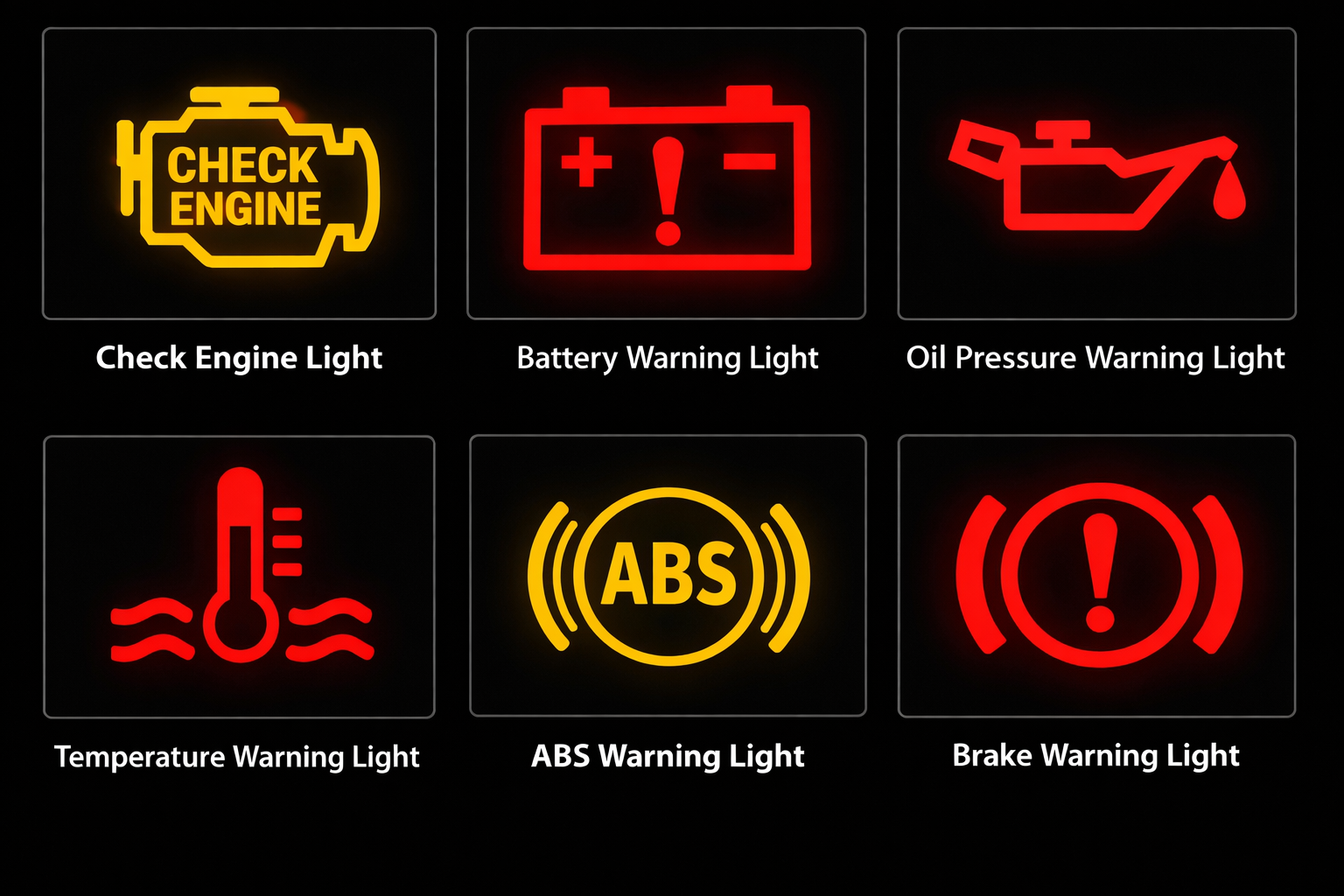
• dashboard warning lights
• vibration while driving
These symptoms often indicate maintenance tasks have been delayed.
Combine Mileage Maintenance with Regular Inspections
Mileage intervals are important, but drivers should also perform routine checks.
Weekly and monthly inspections should include:
• checking tire pressure
• monitoring engine oil levels
• inspecting lights and signals
• topping up windshield washer fluid
A comprehensive car maintenance checklist helps new owners remember these minor tasks.
Together, mileage-based service and routine inspections keep vehicles reliable for years.
Quick Car Maintenance Schedule by Mileage Chart
Many drivers prefer a quick overview to reading an entire guide.
A simple mileage chart makes it easier to understand when important maintenance tasks should happen.
The following schedule summarizes common vehicle maintenance milestones from the first few thousand miles to high-mileage ownership.
0–5,000 miles
Check engine oil level regularly
Inspect coolant level
Monitor tire pressure
Ensure exterior lights and signals are working
10,000 miles
Rotate tires to promote even wear
Inspect brake pads and rotors
Inspect belts and hoses for early wear
20,000 miles
Replace cabin air filter
Inspect battery condition and terminals
Check suspension components
30,000 miles
Replace engine air filter
Inspect transmission fluid condition
Inspect cooling system hoses
40,000 miles
Inspect spark plugs
Check wheel alignment
Inspect brake fluid condition
60,000 miles
Replace spark plugs if required
Inspect timing belt if equipped
Flush transmission fluid if recommended
Inspect radiator and cooling system
80,000–100,000 miles
Replace the timing belt if the manufacturer requires it.
Inspect water pump condition
Replace coolant
Inspect suspension components and bushings
120,000 miles
Inspect fuel injectors
Inspect engine mounts
Replace worn drive belts if necessary
150,000 miles
Inspect steering system components
Inspect fuel system
Replace aging rubber hoses and belts
200,000 miles
Inspect transmission performance
Check cooling system integrity
Inspect electrical connections and battery health
By adhering to a mileage-based schedule, drivers can prevent wear and tear before it escalates into costly repairs.
Why Manufacturer Maintenance Schedules Matter
Every vehicle manufacturer provides a recommended maintenance schedule in the owner’s manual.
These schedules are based on engineering data and long-term durability testing.
They specify the correct service intervals for important components such as engine oil, transmission fluid, filters, and spark plugs.
While general maintenance guides provide a useful overview, the manufacturer schedule is always the most accurate reference for a specific vehicle.
The frequency of maintenance also depends on several factors.
Examples include:
• driving in very hot or very cold climates
• frequent short trips that prevent the engine from fully warming up
• towing heavy loads
• driving on dusty or unpaved roads
Vehicles operating under these conditions often require more frequent maintenance than normal driving environments.
Checking your owner’s manual alongside a general mileage guide ensures that the vehicle receives the correct service at the proper intervals.
Following both recommendations helps prevent premature wear and keeps the vehicle operating safely for many years.
Conclusion
A mileage-based maintenance schedule is one of the most effective ways to keep a vehicle reliable.
By servicing key components at the correct intervals, drivers can prevent expensive repairs and extend the life of their cars.
Regular maintenance, from the first oil change at 5,000 miles to major inspections after 150,000 miles, protects both the car and the driver’s money.
Drivers who follow a structured maintenance routine often keep their vehicles running well past 200,000 miles.


Leave a Reply