

A car can look perfectly clean and still smell stale when you open the door. That is why learning how to freshen car interior is about more than vacuuming the seats and hanging an air freshener from the mirror.
Sometimes the smell is sitting in a dirty carpet, old food, or damp floor mat. Other times, the source is hidden deep inside the vehicle, and no amount of fragrance will solve it until you find and remove what is causing it.
I have seen this firsthand working on cars. As an auto electrician, I have sometimes been called to vehicles for work that had nothing to do with an electrical fault, yet the smell inside the car had become a major problem.
In one case, a rat had died inside an area behind the dashboard where normal cleaning could not reach. The entire dashboard had to come out to access the source. Air fresheners had not solved the problem because the problem was still physically inside the car.
That is the approach I want you to take here: do not start by trying to hide the smell. Start by asking what is causing it.
How to Freshen Car Interior Properly
The proper way to freshen a car interior is to remove the source of the smell, clean the affected areas, deal with trapped moisture, dry the cabin properly, and add fragrance only after the real problem has been addressed.
For a quick refresh, this may only mean removing rubbish, vacuuming the carpets, cleaning high-touch surfaces, and airing out the cabin.
For a smell that keeps returning, however, you may need to inspect deeper.
The difference matters. A freshener can improve the smell of a clean car. It cannot remove a dead animal behind a panel, repair burnt wiring, dry a soaked carpet, or fix a source that is still producing the odor.
First Ask: Is This Actually a Cleaning Problem?
This is where many people waste time and money.
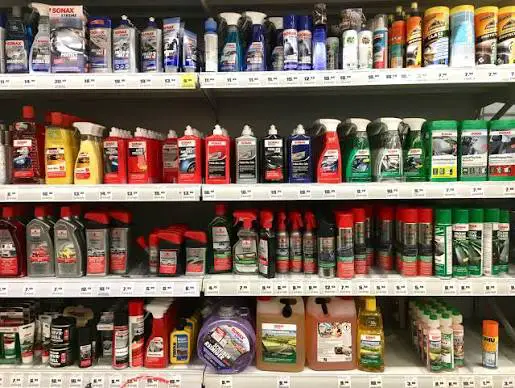
When a car starts smelling unpleasant, the normal reaction is to buy an air freshener or interior spray. That may temporarily change what you smell, but it does not tell you why the odor is there.
I prefer to divide car smells into three groups.
Surface smells
These are usually the easiest to deal with. They can come from food, drinks, pet hair, rubbish, dirty carpets, sweaty seats, or general dirt that has built up over time.
Proper cleaning can often solve these.
Moisture-related smells
These require more attention. Wet carpets, damp floor mats, water leaks, and moisture trapped inside the cabin can create a stale or musty environment.
The car may look clean while moisture remains underneath the carpet or in another hidden area.
Hidden, mechanical, or electrical smells
This is where you need to stop treating the problem like ordinary interior cleaning.
A dead animal trapped behind a dashboard panel, contamination in an inaccessible area, burnt wiring insulation, or an overheated electrical component will not be solved with a stronger air freshener.
If the source remains, the smell can remain.
That is one of the most important things to understand before trying to freshen any car interior.
Why Does My Car Still Smell After Cleaning It?
If you have cleaned the interior and the smell returns quickly, there is a good chance you cleaned the effect without finding the source.
Start asking questions.
When is the smell strongest?
Does it hit you immediately when you open the door?
Does it become stronger when you turn on the air conditioning?
Is it strongest near the floor?
Does it seem to come from under a seat?
Does it smell burnt?
Does the smell become worse after the car has been parked for several hours?
These details can help you narrow down where to look.
A car with crumbs and old food under the seat needs a different solution from one with wet carpet. A car that smells musty when the AC starts needs a different inspection from one that suddenly smells like burning insulation.
The smell itself is not always the answer, but when and where you notice it can be a useful starting point.
Start With a Complete Cabin Reset
Before applying any cleaner or fragrance, empty the car.
Take out:
- Rubbish
- Bottles and food containers
- Loose items in the door pockets
- Items stored under the seats
- Loose objects in the trunk
- Floor mats
- Anything that has been sitting in the car long enough to absorb or create an odor
This sounds basic, but it is surprising what can remain hidden in a vehicle.
Look under the front seats, especially around the seat rails and between the seat and center console. Check underneath removable mats rather than simply vacuuming over them.
Also inspect the trunk if the interior smell seems to have no obvious source in the passenger compartment.
A clean-looking car can still have one forgotten source creating the entire problem.
Check the Places People Often Miss
Some of the most important areas are not the parts you see immediately.
Under the seats
Food, spills, pet hair, and other debris can remain here for months. The smell may become stronger when the car gets hot.
Under the floor mats
Lift the mats completely. Do not assume the carpet underneath is dry.
If the carpet feels damp, find out why before simply putting the mat back.
Between and underneath seat cushions
Crumbs and spilled liquids can work their way into places a normal vacuum pass does not reach.
Door pockets and cup holders
Sticky residue can remain even after the visible dirt is gone.
The trunk and spare-wheel area
Water can enter areas that are rarely inspected. A damp trunk carpet can create a stale smell that eventually spreads through the cabin.
Behind panels and inaccessible spaces
This is where experience matters.
The dead-rat case I mentioned earlier is a good example. The smell was not going away because the source could not be reached through normal interior cleaning. The problem required locating the source and physically removing it.
That experience has stayed with me because it reinforces a simple rule:
You cannot clean away a source you have not found.
Vacuum Before You Start Wet Cleaning
Once you have removed loose items and checked for hidden sources, vacuum the cabin thoroughly.
Start with dry dirt.
Vacuum:
- Seats
- Carpet
- Floor edges
- Under the seats
- Seat crevices
- Around the pedals
- Trunk carpet
- Door storage areas where debris collects
Use a narrow attachment where possible.
This matters because applying a liquid cleaner over loose dirt can turn small particles into a mess that is harder to remove.
Take your time around seat seams and carpet edges. These areas often hold more debris than the open floor.
Clean the Surfaces That Make a Car Feel Used
Freshness is not only about smell.
A car can smell acceptable and still feel dirty because of what you touch.
Focus on the areas your hands contact every day:
- Steering wheel
- Gear selector
- Door handles
- Window switches
- Armrests
- Center console
- Cup holders
- Dashboard controls
- Interior door pulls
Use a cleaner suitable for the material.
The goal is not to make everything excessively shiny. In my view, an interior often looks better when it is clean and natural rather than coated with a heavy dressing.
A greasy dashboard can also be distracting when sunlight reflects off it.
Clean should not mean slippery, sticky, or artificially glossy.
Clean the Interior Glass Too
This is an easy area to overlook.
A film on the inside of the windshield can make the whole cabin feel less clean, especially at night when lights reflect across the glass.
Clean the inside of the windshield, side windows, and rear glass carefully.
Use a clean glass cloth and avoid transferring dashboard dressing or oily residue back onto the glass.
Sometimes this simple step makes the interior feel noticeably fresher even though it does not change the smell.
Check Your Carpets and Mats for Trapped Moisture
This is one of the most important steps when dealing with a stale or musty car.
A wet floor mat is obvious. Damp carpet underneath it is easier to miss.
Press the carpet in areas where water could collect. Check near the front footwells, rear footwells, and trunk.
If the carpet feels wet or unusually damp, do not just spray a deodorizer and move on.
Ask where the moisture is coming from.
Possible causes can include:
- Water brought into the car
- Spills that soaked through
- A leak
- Water entering around a damaged seal
- Moisture that was never properly dried
The important thing is to deal with the moisture and then allow the affected area to dry properly.
Putting a dry-looking floor mat over damp carpet can hide the problem without solving it.
If the Smell Gets Stronger When the AC Is On
Pay attention to when the smell appears.
If the car smells normal until the ventilation or air conditioning starts, the problem may not be sitting on your seats or dashboard.
At that point, inspect the cabin air filter where your vehicle’s maintenance procedure allows access, and consider the HVAC system as part of the investigation.
Do not repeatedly spray fragrance into the vents and assume the problem is solved.
If the smell keeps returning every time the system operates, there may be a source that needs further attention.
Again, the goal is not simply to make the smell disappear for five minutes.
The goal is to understand why it appears.
A Burnt Smell Is Not an Air Freshener Problem
This is another area where my work as an auto electrician affects how I look at car odors.
I have worked on vehicles where a burnt smell remained because damaged wiring or an electrical component had overheated. The cabin could be cleaned, but cleaning alone would not repair burnt insulation or remove an active electrical problem.
If wiring has been damaged, it needs to be inspected and properly repaired.
A smell similar to burning plastic, electrical insulation, or overheated material should not automatically be treated as an interior-cleaning issue.
If the smell appears with electrical problems, overheating, unusual accessory behavior, warning lights, or smoke, stop trying to cover it with fragrance and have the vehicle inspected.
Some smells are maintenance clues.
That is why I would never put every bad car smell into the same category.
Match the Solution to the Smell
If the car smells like old food
Remove everything from the cabin first.
Check under seats, in door pockets, under mats, and inside the trunk. Then clean the area where the spill or food source was located.
Do not add fragrance until the source is gone.
If the car smells musty
Check for moisture.
Inspect the mats, carpets, and trunk. Think about when the smell is strongest and whether it changes when the ventilation system operates.
Drying the car properly can be more important than adding another scent.
If the car smells like pets
Remove hair and debris first, then clean the affected fabric or carpet with a product suitable for the material.
The goal is to remove what is producing the odor, not simply cover it.
If the car smells like smoke
Smoke odors can remain in soft materials and surfaces. A quick fragrance spray may mix with the odor rather than remove it.
A more thorough cleaning of the affected interior surfaces is usually needed.
If the car smells burnt
Do not assume it is a detailing problem.
Consider whether the smell could be related to electrical wiring, a component, overheating, or another mechanical issue. If the smell is persistent or accompanied by other symptoms, have the source inspected.
If the smell is impossible to locate
Do not keep buying stronger air fresheners.
Start narrowing it down according to where and when the smell is strongest. Check hidden areas. If necessary, the vehicle may need a deeper inspection because some sources can be behind panels or in areas you cannot reach through normal cleaning.
The 30-Minute Car Interior Freshening Routine
If your car is generally clean but has started feeling stale, this is the routine I would use.
First 5 minutes: Empty the cabin.
Remove rubbish, old bottles, loose items, and anything stored under the seats.
Next 10 minutes: Vacuum the high-impact areas.
Focus on the floor, seats, under the seats, and visible debris.
Next 5 minutes: Check for hidden problems
Lift the mats. Feel for damp carpet. Look under the seats and inspect the trunk if necessary.
Next 5 minutes: Clean the touchpoints.
Wipe the steering wheel, gear selector, door pulls, controls, and armrests.
Final 5 minutes: Clean the glass and air out the cabin.
Fresh interior glass and proper ventilation can make the cabin feel dramatically better.
If there is still a strong smell after this routine, do not assume you need more fragrance.
Go back to finding the source.
The Deep Reset for a Neglected Car Interior
A neglected or newly purchased used car may need more than a quick refresh.
Start by removing everything from the cabin.
Inspect the hidden areas before cleaning.
Vacuum thoroughly.
Clean each material according to what it is. Do not use one aggressive cleaner on everything.
Check for trapped moisture.
Inspect areas where a smell could be hidden.
Clean the interior glass.
Allow carpets, mats, and upholstery to dry properly after any wet cleaning.
Then reassess the smell.
This is important. Do not judge the result only while the car is full of cleaning fragrance.
Let the cabin air out and come back later. If the original odor returns, continue investigating rather than adding more scent.
7 Mistakes That Make a Car Smell Stale Again
1. Adding fragrance before removing the source
This is the biggest mistake.
Fragrance is the finishing step, not the repair.
2. Putting damp mats back into the car
Dry them properly first.
3. Soaking carpets and seats with too much cleaner
More product does not automatically mean better cleaning. Excess moisture can create another problem if it does not dry properly.
4. Cleaning only what you can see
Look under seats, underneath mats, and in hidden storage areas.
5. Ignoring when the smell appears
A smell that appears only with the AC or during electrical operation gives you useful information.
6. Treating every odor as a detailing problem
Some odors need cleaning. Others need a source removed or a fault repaired.
7. Ignoring a burnt smell
A burnt electrical smell is not something I would try to solve with an air freshener.
Find out what caused it.
How to Keep Your Car Interior Fresh Longer
Once you have solved the real problem, keeping the car fresh becomes easier.
Do not leave food or rubbish in the cabin.
Remove wet items when possible.
Check underneath the mats occasionally.
Clean spills before they soak deeper into the material.
Vacuum the areas that collect debris rather than waiting until the whole interior looks dirty.
Clean the surfaces you touch regularly.
Pay attention when a new smell appears instead of waiting for it to become normal.
That last point matters more than people think.
A car does not usually need to smell strongly bad before you investigate it. If you notice a new persistent smell, it can be easier to identify the cause before it becomes deeply absorbed into the interior.
When You Should Stop Cleaning and Start Investigating
Stop treating the problem as ordinary cleaning when:
- The smell returns quickly after a thorough clean
- The carpet or another area keeps becoming wet
- The smell is strongest behind a panel or in an inaccessible area
- You suspect an animal or another source is trapped inside the vehicle
- The odor becomes stronger when the AC operates
- You smell burning plastic or electrical insulation
- The smell is accompanied by smoke, overheating, warning lights, or electrical problems
At that point, the question is no longer
Which air freshener should I buy?
It becomes:
What is causing this smell, and how do I reach it?
conclusion
The best way to freshen a car interior is not to make the cabin smell stronger. It is to make the source of the stale smell disappear.
Start with the obvious. Remove rubbish, vacuum thoroughly, clean the surfaces you touch, and inspect the carpets and mats.
Then think deeper if the smell remains.
From my experience working on cars, some of the most persistent odors are not solved with normal cleaning at all. I have seen a vehicle require major dashboard removal because a dead rat was hidden where nobody could reach it. I have also seen burnt smells connected to damaged wiring and electrical problems where cleaning could never solve the actual cause.
That is why my approach is simple:
Find it. Remove it or repair it. Clean the affected area. Dry the cabin properly. Then use fragrance if you want to.
A truly fresh car interior does not just smell better when you first open the door. It stays fresh because the reason for the smell has been dealt with.

Leave a Reply