As an affiliate, we may earn a commission from qualifying purchases. We get commissions for purchases made through links on this website from Amazon and other third parties.
Spread the love
Here’s how to test an alternator before installing it, without waiting until it’s already bolted back into the car to find out it doesn’t work. This matters more than people realize on vehicles where the alternator sits somewhere brutal to access.
A Mazda MPV is a good example, several other models are just as bad, where removing and refitting the same part five or six times because a “clean” used alternator turned out to be dead is exactly the kind of stress this test is meant to prevent.
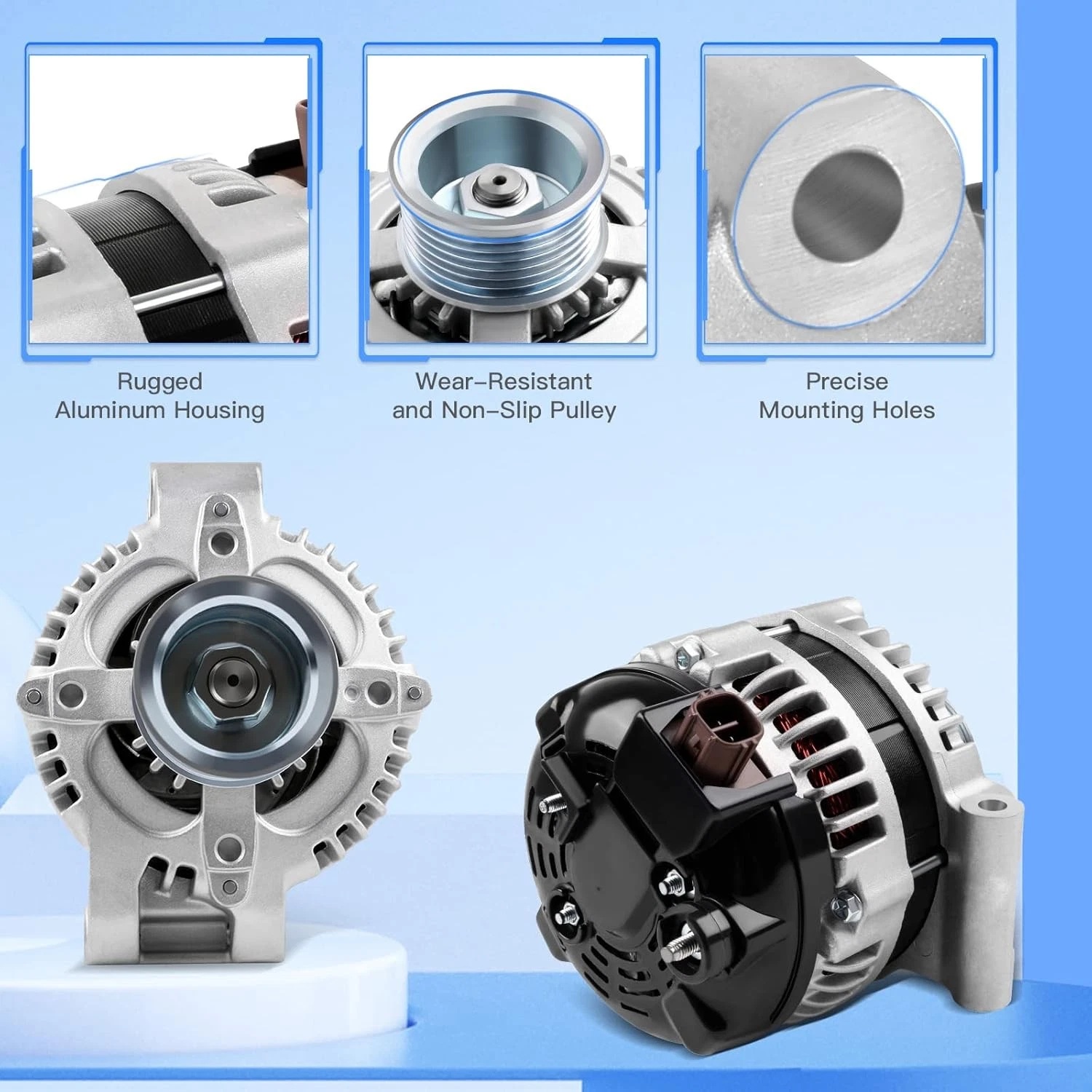
To make this concrete rather than abstract, this guide uses a Honda CRV 2009 alternator as the reference example throughout, the same method applies broadly, but seeing it against a real pinout and connector makes it far easier to follow.
Contents
Why This Test Exists
Buying a used or refurbished alternator on the spare parts market is common, and a unit that looks clean and tests heavy enough in your hand can still be internally dead.
On vehicles where the alternator is easy to reach, that’s a minor inconvenience if it turns out bad. On vehicles where it isn’t, a wasted install can mean hours of extra labor for something that could have been caught in five minutes on the bench first.
What You’ll Need
The alternator’s matching pinout socket or connector, so you know which terminal does what on that specific unit
A test light
A 12V battery
A length of rope or cord to wrap around the pulley
Jumper wires to connect everything
Ideally 2 to 3 people, since this is not a comfortable one-person job to do safely
A Safety Warning Before You Start
Getting the pinout wrong and wiring this incorrectly can fry components inside the alternator, the field, the diodes, or the regulator, turning a good unit into a bad one before it’s even installed.
Take the time to confirm the pinout properly rather than guessing or wiring it based on a similar-looking alternator from memory.
This is also genuinely safer and more manageable with 2 to 3 people rather than alone, one person to hold the alternator steady, one to pull the rope, and one to watch the test light and connections.
This method is meant for people already working in the field with real hands-on experience, not a first electrical project to attempt solo.
Step by Step
Identify the alternator’s pinout. Different alternators route the field, sense, and output terminals differently, and getting this wrong before you start means the test won’t tell you anything useful, and worse, it can damage the alternator’s internal components. If you’re not certain which terminal is which on a specific unit, confirm it before connecting anything. A simple Google search for the pinout of that exact vehicle, for example “alternator pinout Honda CRV 2009,” can save you a lot of guesswork and is often enough to confirm which terminal does what before you touch a single wire.
Excite the field through the IG terminal. Off the car, there’s no ignition switch feeding the field circuit the way there would be with the engine running, so you supply that yourself. On this Honda CRV 2009 alternator, the connector has four terminals, commonly labeled IG, L, S (or C), and FR. Connect 12V from your battery to the IG terminal, this wakes the internal regulator up the same way the ignition switch normally would.
Check for a magnetic pull at the pulley. With the field properly excited through IG, the pulley or the rotor’s center bolt should show a noticeable magnetic pull, you can feel this with a screwdriver or similar metal tool brought close to it. This confirms the connection is correct and the rotor is actually being energized before you move on to spinning it. If there’s no magnetic pull at all, recheck the pinout connection before continuing, since spinning it at this point won’t tell you anything useful.
Wire the test light in series on the L terminal, not the main output. The L terminal is the same one the dashboard charge warning light is wired to inside the car, so this is exactly the behavior you’re recreating on the bench. Connect the test light between your 12V battery positive and the L terminal. With the field excited but the alternator not yet spinning, the bulb should be lit, the same way the dashboard warning light stays on with the key turned to ignition before the engine starts.
Wrap the rope around the pulley and pull it sharply to spin the rotor. This simulates the belt spinning the alternator the way the engine normally would.
Watch the test light on the L terminal while the rope spin is happening. If the alternator is generating output, the bulb should go dim or go out entirely while it’s spinning, the same way the dashboard light goes off once the engine starts and the alternator takes over charging. Once the spin slows and stops, the light should come back on. That change, off while spinning, back on once it stops, is what you’re looking for.
Connection Diagram (Honda CRV 2009 Reference)
The diagram above shows the bench setup applied to this alternator specifically, IG wired to 12V to wake the regulator, the test light sitting on the L terminal to show the same on/off behavior the dashboard warning light shows in the actual car, and the rope taking the place of the belt to spin the pulley. Full connection details are listed beside the diagram.
Always confirm the exact terminal layout against the connector on the unit in front of you before connecting anything, connector shapes and labels can vary even across similar models and model years.
What This Test Actually Tells You
If the light dims or goes off during the spin and comes back once it stops, the basic conditions are met, the rotor, stator windings, diodes, and regulator are at least functioning enough to produce output when excited and spun. That’s a real, useful result before committing to installing it.
It is not a guarantee that the alternator is fully healthy. This test doesn’t tell you anything about output capacity under real electrical load, bearing condition under sustained running, or how it’ll hold up over time.
It confirms the unit isn’t simply dead, nothing more, and treating it as a full pass would be a mistake.
It’s also worth knowing this test doesn’t work on every alternator. Some modern units, especially ones that communicate with the vehicle’s computer to regulate output rather than running purely off a direct field excitation, can only be properly tested once they’re actually installed and connected to the car’s own system.
For those, this bench method won’t give you a useful answer either way, and the only real test is on the vehicle itself.
Why This Still Matters Even With That Limitation
Knowing which of your regular vehicles this test works on is itself valuable. On the models where it does work, and a fair number of common ones do, it turns a five or six times removal and refit nightmare into a five minute bench check before the part ever goes near the engine bay.
Even a test with real limits is worth doing when the alternative is finding out the hard way, with the part already installed on a vehicle that’s genuinely painful to access again.
Conclusion
A clean-looking alternator isn’t the same as a working one, and on vehicles where access is difficult, that difference can cost hours of unnecessary labor.
This bench test won’t catch everything, but it catches the most basic and most common failure, a dead unit, before it ever gets bolted in. For the deeper diagnostic checks once an alternator is actually installed and running, see our guide on testing an alternator with a multimeter.
Written by Che Clovis, an Abuja-based auto electrician and diagnostics technician with experience since 2010, specializing in conventional petrol vehicle electrical systems.
Where Your Car Heals! I’m Che Clovis, an auto electrician and diagnostics technician based in Abuja and the person behind every article on this site.
I’ve been working on cars since 2010. Over that time I’ve handled everything from stubborn no-start faults to wiring gremlins that took hours to trace, mostly on Japanese vehicles. Toyota and Honda are the two I know best, along with a wide range of other Japanese makes and European and American vehicles, including Mercedes-Benz and BMW. I work on both tokunbo (used-import) and new vehicles, which means I’ve seen how the same fault shows up differently depending on a car’s history, age, and where it’s spent its life.
My background combines hands-on apprenticeship training with a six-month automobile technology course under the TVET initiative. I’m currently preparing to begin EV-specific training because the industry is moving that way and I intend to move with it, but for now, my focus and deepest expertise are conventional petrol vehicle electrical systems: batteries and charging, starters and alternators, wiring and fuses, dashboard and lighting faults, and the electrical side of sensor and ECU-related problems. I also install GPS trackers, which comes up often in the same wiring and electrical work.
For diagnostics, I run a Thinkcar Pro as my main scan tool, with access to Autel and Launch equipment as well, and Topdon is a brand I rate highly and use when I can. Every diagnosis you read about on this site is checked against actual live data from tools like these, not guesswork.
I started writing about car electrical problems because I kept seeing the same thing: car owners either overpaying for guesswork repairs or getting advice online that was written by someone who has never actually opened a fuse box with a multimeter in hand. I lost my original site’s content when hosting lapsed, but not the three years of lessons that came from writing it. This version is being rebuilt properly, article by article, from real diagnostic experience rather than generic advice.
Ezoic What you’ll find here: straight-to-the-point diagnostic guides for electrical faults, written the way I’d explain it to someone standing next to me at the car.
what the symptom means, what to check first, what most people get wrong, and when a problem genuinely needs a professional rather than a DIY fix. Where something is done differently because of local realities, heat, dust, fuel quality, or the quirks of tokunbo wiring, I say so plainly, because that’s often the missing piece in advice written for a different climate and market.
This site will keep growing as my own skills do, including into EV systems. If something here helped you actually fix your car instead of just understanding it a little better, it’s done its job.
Spread the love AAAWgmp1bWIAAAAeanVtZGMycGEAEQAQgAAAqgA4m3EDYzJwYQAAABZcanVtYgAAAEdqdW1kYzJtYQARABCAAACqADibcQN1cm46YzJwYTpjYTk1YjRhMi0zNzc0LTQyY2ItYWRiOC1hMjk3Nzg2ZDIxZTYAAAADl2p1bWIAAAApanVtZGMyYXMAEQAQgAAAqgA4m3EDYzJwYS5hc3NlcnRpb25zAAAAALxqdW1iAAAARGp1bWRjYm9yABEAEIAAAKoAOJtxE2MycGEuaW5ncmVkaWVudC52MwAAAAAYYzJzaJx3nN/VEA+ccp8C5Xw8w/MAAABwY2JvcqNpZGM6Zm9ybWF0bWltYWdlL3N2Zyt4bWxqaW5zdGFuY2VJRHgseG1wOmlpZDoxNjdjYjZiMC04MGQwLTRiYTItYjAzMS0zOTAwZmYzOTA0ZGZscmVsYXRpb25zaGlwaHBhcmVudE9mAAAB4mp1bWIAAABBanVtZGNib3IAEQAQgAAAqgA4m3ETYzJwYS5hY3Rpb25zLnYyAAAAABhjMnNoCtBxbkdet02wLDmy9JmhmgAAAZljYm9yomdhY3Rpb25zgqJmYWN0aW9ua2MycGEub3BlbmVkanBhcmFtZXRlcnOha2luZ3JlZGllbnRzgaJjdXJseC1zZWxmI2p1bWJmPWMycGEuYXNzZXJ0aW9ucy9jMnBhLmluZ3JlZGllbnQudjNkaGFzaFgg8DQz40ZGQovNxcyEUwAITtCJJGCY7xtRqf/lmbBfxGCkZmFjdGlvbngdY29tLmFudGhyb3BpYy5jbGF1ZGUucHJvdmlkZWRqcGFyYW1ldGVyc6F4H2NvbS5hbnRocm9waWMub3JpZ2luLWNvbmZpZGVuY2VndW5rbm93bmtkZXNjcmlwdGlvbnhmQ2xhdWRlIHByb3ZpZGVkIHRoaXMgZmlsZSBhdCB0aGUgcmVxdWVzdCBvZiBhIHVzZXIgYW5kIG1heSBoYXZlIGNyZWF0ZWQgb3IgbW9kaWZpZWQgdGhlIGZpbGUgY29udGVudHMubXNvZnR3YXJlQWdlbnShZG5hbWVmQ2xhdWRlcmFsbEFjdGlvbnNJbmNsdWRlZPUAAADIanVtYgAAAEBqdW1kY2JvcgARABCAAACqADibcRNjMnBhLmhhc2guZGF0YQAAAAAYYzJzaG7aXwDic0ifkTc/qw1d3jMAAACAY2JvcqVjYWxnZnNoYTI1NmNwYWRNAAAAAAAAAAAAAAAAAGRoYXNoWCCrV4a1BOx+RLo+4K+reSaXZQX6fdCOsF0bVu8daLjPk2RuYW1lbmp1bWJmIG1hbmlmZXN0amV4Y2x1c2lvbnOBomVzdGFydBh+Zmxlbmd0aBkeBAAAAj5qdW1iAAAAJ2p1bWRjMmNsABEAEIAAAKoAOJtxA2MycGEuY2xhaW0udjIAAAACD2Nib3KlY2FsZ2ZzaGEyNTZpc2lnbmF0dXJleE1zZWxmI2p1bWJmPS9jMnBhL3VybjpjMnBhOmNhOTViNGEyLTM3NzQtNDJjYi1hZGI4LWEyOTc3ODZkMjFlNi9jMnBhLnNpZ25hdHVyZWppbnN0YW5jZUlEeCx4bXA6aWlkOjIzMzUxMjdlLTYzMWEtNDUzNy05ZDJhLWM1YWIyOWQ4NGMyN3JjcmVhdGVkX2Fzc2VydGlvbnODomN1cmx4LXNlbGYjanVtYmY9YzJwYS5hc3NlcnRpb25zL2MycGEuaW5ncmVkaWVudC52M2RoYXNoWCDwNDPjRkZCi83FzIRTAAhO0IkkYJjvG1Gp/+WZsF/EYKJjdXJseCpzZWxmI2p1bWJmPWMycGEuYXNzZXJ0aW9ucy9jMnBhLmFjdGlvbnMudjJkaGFzaFggxOp/JQxBov0ILUiS02qMKHKEXPLzZ67W3blcn04UkviiY3VybHgpc2VsZiNqdW1iZj1jMnBhLmFzc2VydGlvbnMvYzJwYS5oYXNoLmRhdGFkaGFzaFggAknD5Hka5asG59/PYJhwWV+pbvZMs5Wl1H+YDUoJTTd0Y2xhaW1fZ2VuZXJhdG9yX2luZm+jZG5hbWVvQW50aHJvcGljIEZpbGVzZ3ZlcnNpb25lMS4wLjBrc3BlY1ZlcnNpb25lMi40LjAAABA4anVtYgAAAChqdW1kYzJjcwARABCAAACqADibcQNjMnBhLnNpZ25hdHVyZQAAABAIY2JvctKEWQISogEmGCFZAgowggIGMIIBjaADAgECAhRA5aAK7sI50L64g/oGQgU9Z1UTADAKBggqhkjOPQQDAzBJMRcwFQYDVQQKEw5BbnRocm9waWMsIFBCQzEuMCwGA1UEAxMlQW50aHJvcGljIENvbnRlbnQgQ3JlZGVudGlhbHMgUm9vdCBDQTAeFw0yNjA4MDcxODQzNTZaFw0yODA4MDYxOTQzNTZaMEQxFzAVBgNVBAoTDkFudGhyb3BpYywgUEJDMSkwJwYDVQQDEyBBbnRocm9waWMgQ2xhdWRlIENvbnRlbnQgU2lnbmluZzBZMBMGByqGSM49AgEGCCqGSM49AwEHA0IABJh6CmvLUBgFFNU0vUKlOVtE6djd17L5SuwX0LemFisBM3dkd/3cyjxFA3Qo5S46fX0/ihY0VZ7mfb9KF703t5OjWDBWMA4GA1UdDwEB/wQEAwIHgDAVBgNVHSUEDjAMBgorBgEEAYPoXgIBMAwGA1UdEwEB/wQCMAAwHwYDVR0jBBgwFoAUzlHiBIFOZFsj+OPEz5o+nMHXXMIwCgYIKoZIzj0EAwMDZwAwZAIwMXMdFJ4BetLLVY7ORuE9noqbbAZOZn/aArXyTwFAZfKrPzxF2vPoJNf1+UCdg1XGAjBwX1zd9WGqYkqmL5SFqw1QySjr1zJfpJM9+1rdDwSPLMOPOjKuiXjoU/pUUeG9RwmhY3BhZFkNngAAAAAAAAAAAAAAAAAAAAAAAAAAAAAAAAAAAAAAAAAAAAAAAAAAAAAAAAAAAAAAAAAAAAAAAAAAAAAAAAAAAAAAAAAAAAAAAAAAAAAAAAAAAAAAAAAAAAAAAAAAAAAAAAAAAAAAAAAAAAAAAAAAAAAAAAAAAAAAAAAAAAAAAAAAAAAAAAAAAAAAAAAAAAAAAAAAAAAAAAAAAAAAAAAAAAAAAAAAAAAAAAAAAAAAAAAAAAAAAAAAAAAAAAAAAAAAAAAAAAAAAAAAAAAAAAAAAAAAAAAAAAAAAAAAAAAAAAAAAAAAAAAAAAAAAAAAAAAAAAAAAAAAAAAAAAAAAAAAAAAAAAAAAAAAAAAAAAAAAAAAAAAAAAAAAAAAAAAAAAAAAAAAAAAAAAAAAAAAAAAAAAAAAAAAAAAAAAAAAAAAAAAAAAAAAAAAAAAAAAAAAAAAAAAAAAAAAAAAAAAAAAAAAAAAAAAAAAAAAAAAAAAAAAAAAAAAAAAAAAAAAAAAAAAAAAAAAAAAAAAAAAAAAAAAAAAAAAAAAAAAAAAAAAAAAAAAAAAAAAAAAAAAAAAAAAAAAAAAAAAAAAAAAAAAAAAAAAAAAAAAAAAAAAAAAAAAAAAAAAAAAAAAAAAAAAAAAAAAAAAAAAAAAAAAAAAAAAAAAAAAAAAAAAAAAAAAAAAAAAAAAAAAAAAAAAAAAAAAAAAAAAAAAAAAAAAAAAAAAAAAAAAAAAAAAAAAAAAAAAAAAAAAAAAAAAAAAAAAAAAAAAAAAAAAAAAAAAAAAAAAAAAAAAAAAAAAAAAAAAAAAAAAAAAAAAAAAAAAAAAAAAAAAAAAAAAAAAAAAAAAAAAAAAAAAAAAAAAAAAAAAAAAAAAAAAAAAAAAAAAAAAAAAAAAAAAAAAAAAAAAAAAAAAAAAAAAAAAAAAAAAAAAAAAAAAAAAAAAAAAAAAAAAAAAAAAAAAAAAAAAAAAAAAAAAAAAAAAAAAAAAAAAAAAAAAAAAAAAAAAAAAAAAAAAAAAAAAAAAAAAAAAAAAAAAAAAAAAAAAAAAAAAAAAAAAAAAAAAAAAAAAAAAAAAAAAAAAAAAAAAAAAAAAAAAAAAAAAAAAAAAAAAAAAAAAAAAAAAAAAAAAAAAAAAAAAAAAAAAAAAAAAAAAAAAAAAAAAAAAAAAAAAAAAAAAAAAAAAAAAAAAAAAAAAAAAAAAAAAAAAAAAAAAAAAAAAAAAAAAAAAAAAAAAAAAAAAAAAAAAAAAAAAAAAAAAAAAAAAAAAAAAAAAAAAAAAAAAAAAAAAAAAAAAAAAAAAAAAAAAAAAAAAAAAAAAAAAAAAAAAAAAAAAAAAAAAAAAAAAAAAAAAAAAAAAAAAAAAAAAAAAAAAAAAAAAAAAAAAAAAAAAAAAAAAAAAAAAAAAAAAAAAAAAAAAAAAAAAAAAAAAAAAAAAAAAAAAAAAAAAAAAAAAAAAAAAAAAAAAAAAAAAAAAAAAAAAAAAAAAAAAAAAAAAAAAAAAAAAAAAAAAAAAAAAAAAAAAAAAAAAAAAAAAAAAAAAAAAAAAAAAAAAAAAAAAAAAAAAAAAAAAAAAAAAAAAAAAAAAAAAAAAAAAAAAAAAAAAAAAAAAAAAAAAAAAAAAAAAAAAAAAAAAAAAAAAAAAAAAAAAAAAAAAAAAAAAAAAAAAAAAAAAAAAAAAAAAAAAAAAAAAAAAAAAAAAAAAAAAAAAAAAAAAAAAAAAAAAAAAAAAAAAAAAAAAAAAAAAAAAAAAAAAAAAAAAAAAAAAAAAAAAAAAAAAAAAAAAAAAAAAAAAAAAAAAAAAAAAAAAAAAAAAAAAAAAAAAAAAAAAAAAAAAAAAAAAAAAAAAAAAAAAAAAAAAAAAAAAAAAAAAAAAAAAAAAAAAAAAAAAAAAAAAAAAAAAAAAAAAAAAAAAAAAAAAAAAAAAAAAAAAAAAAAAAAAAAAAAAAAAAAAAAAAAAAAAAAAAAAAAAAAAAAAAAAAAAAAAAAAAAAAAAAAAAAAAAAAAAAAAAAAAAAAAAAAAAAAAAAAAAAAAAAAAAAAAAAAAAAAAAAAAAAAAAAAAAAAAAAAAAAAAAAAAAAAAAAAAAAAAAAAAAAAAAAAAAAAAAAAAAAAAAAAAAAAAAAAAAAAAAAAAAAAAAAAAAAAAAAAAAAAAAAAAAAAAAAAAAAAAAAAAAAAAAAAAAAAAAAAAAAAAAAAAAAAAAAAAAAAAAAAAAAAAAAAAAAAAAAAAAAAAAAAAAAAAAAAAAAAAAAAAAAAAAAAAAAAAAAAAAAAAAAAAAAAAAAAAAAAAAAAAAAAAAAAAAAAAAAAAAAAAAAAAAAAAAAAAAAAAAAAAAAAAAAAAAAAAAAAAAAAAAAAAAAAAAAAAAAAAAAAAAAAAAAAAAAAAAAAAAAAAAAAAAAAAAAAAAAAAAAAAAAAAAAAAAAAAAAAAAAAAAAAAAAAAAAAAAAAAAAAAAAAAAAAAAAAAAAAAAAAAAAAAAAAAAAAAAAAAAAAAAAAAAAAAAAAAAAAAAAAAAAAAAAAAAAAAAAAAAAAAAAAAAAAAAAAAAAAAAAAAAAAAAAAAAAAAAAAAAAAAAAAAAAAAAAAAAAAAAAAAAAAAAAAAAAAAAAAAAAAAAAAAAAAAAAAAAAAAAAAAAAAAAAAAAAAAAAAAAAAAAAAAAAAAAAAAAAAAAAAAAAAAAAAAAAAAAAAAAAAAAAAAAAAAAAAAAAAAAAAAAAAAAAAAAAAAAAAAAAAAAAAAAAAAAAAAAAAAAAAAAAAAAAAAAAAAAAAAAAAAAAAAAAAAAAAAAAAAAAAAAAAAAAAAAAAAAAAAAAAAAAAAAAAAAAAAAAAAAAAAAAAAAAAAAAAAAAAAAAAAAAAAAAAAAAAAAAAAAAAAAAAAAAAAAAAAAAAAAAAAAAAAAAAAAAAAAAAAAAAAAAAAAAAAAAAAAAAAAAAAAAAAAAAAAAAAAAAAAAAAAAAAAAAAAAAAAAAAAAAAAAAAAAAAAAAAAAAAAAAAAAAAAAAAAAAAAAAAAAAAAAAAAAAAAAAAAAAAAAAAAAAAAAAAAAAAAAAAAAAAAAAAAAAAAAAAAAAAAAAAAAAAAAAAAAAAAAAAAAAAAAAAAAAAAAAAAAAAAAAAAAAAAAAAAAAAAAAAAAAAAAAAAAAAAAAAAAAAAAAAAAAAAAAAAAAAAAAAAAAAAAAAAAAAAAAAAAAAAAAAAAAAAAAAAAAAAAAAAAAAAAAAAAAAAAAAAAAAAAAAAAAAAAAAAAAAAAAAAAAAAAAAAAAAAAAAAAAAAAAAAAAAAAAAAAAAAAAAAAAAAAAAAAAAAAAAAAAAAAAAAAAAAAAAAAAAAAAAAAAAAAAAAAAAAAAAAAAAAAAAAAAAAAAAAAAAAAAAAAAAAAAAAAAAAAAAAAAAAAAAAAAAAAAAAAAAAAAAAAAAAAAAAAAAAAAAAAAAAAAAAAAAAAAAAAAAAAAAAAAAAAAAAAAAAAAAAAAAAAAAAAAAAAAAAAAAAAAAAAAAAAAAAAAAAAAAAAAAAAAAAAAAAAAAAAAAAAAAAAAAAAAAAAAAAAAAAAAAAAAAAAAAAAAAAAAAAAAAAAAAAAAAAAAAAAAAAAAAAAAAAAAAAAAAAAAAAAAAAAAAAAAAAAAAAAAAAAAAAAAAAAAAAAAAAAAAAAAAAAAAAAAAAAAAAAAAAAAAAAAAAAAAAAAAAAAAAAAAAAAAAAAAAAAAAAAAAAAAAAAAAAAAAAAAAAAAAAAAAAAAAAAAAAAAAAAAAAAAAAAAAAAAAAAAAAAAAAAAAAAAAAAAAAAAAAAAAAAAAAAAAAAAAAAAAAAAAAAAAAAAAAAAAAAAAAAAAAAAAAAAAAAAAAAAAAAAAAAAAAAAAAAAAAAAAAAAAAAAAAAAAAAAAAAAAAAAAAAAAAAAAAAAAAAAAAAAAAAAAAAAAAAAAAAAAAAAAAAAAAAAAAAAAAAAAAAAAAAAAAAAAAAAAAAAAAAAAAAAAAAAAAAAAAAAAAAAAAAAAAAAAAAAAAAAAAAAAAAAAAAAAAAAAAAAAAAAAAAAAAAAAAAAAAAAAAAAAAAAAAAAAAAAAAAAAAAAAAAAAAAAAAAAAAAAAAAAAAAAAAAAAAAAAAAAAAAAAAAAAAAAAAAAAAAAAAAAAAAAAAAAAAAAAAAAAAAAAAAAAAAAAAAAAAAAAAAAAAAAAAAAAAAAAAAAAAAAAAAAAAAAAAAAAAAAAAAAAAAAAAAAAAAAAAAAAAAAAAAAAAAAAAAAAAAAAAAAAAAAAAAAAAAAAAAAAAAAAAAAAAAAAAAAAAAAAAAAAAAAAAAAAAAAAAAAAAAAAAAAAAAAAAAAAAAAAAAAAAAAAAAAAAAAAAAAAAAAAAAAAAAAAAAAAAAAAAAAAAAAAAAAAAAAAAAAAAAAAAAAAAAAAAAAAAAAAAAAAAAAAAAAAAAAAAAAAAAAAAAAAAAAAAAAAAAAAAAAAAAAAAAAAAAAAAAAAAAAAAAAAAAAAAAAAAAAAAAAAAAAAAAAAAAAAAAAAAAAAAAAAAAAAAAAAAAAAAAAAAAAAAAAAAAAAAAAAAAAAAAAAAAAAAAAAAAAAAAAAAAAAAAAAAAAAAAAAAAAAAAAAAAAAAAAAAAAAAAAAAAAAAAAAAAAAAAAAAAAAAAAAAAAAAAAAAAAAAAAAAAAAAAAPZYQJ6weih7r31L5PhfyBQJB2jXVcLCLA8WM7eIxKjxyQaiEUXwp5/MmnXCE6JW8a7/qg4trYJKi0Q/rOCyZV+7hR4= TESTING AN ALTERNATOR BEFORE INSTALLING the rope spin bench test, clovis auto care 1 Confirm pinout Google the exact vehicle pinout first (e.g. Honda CRV ’09) 2…
Spread the love A car can look perfectly clean and still smell stale when you open the door. That is why learning how to freshen car interior is about more than…
Spread the love A car battery draining overnight almost always comes down to one of these nine causes. Some are obvious the moment you check, while others take an actual parasitic…







Leave a Reply