
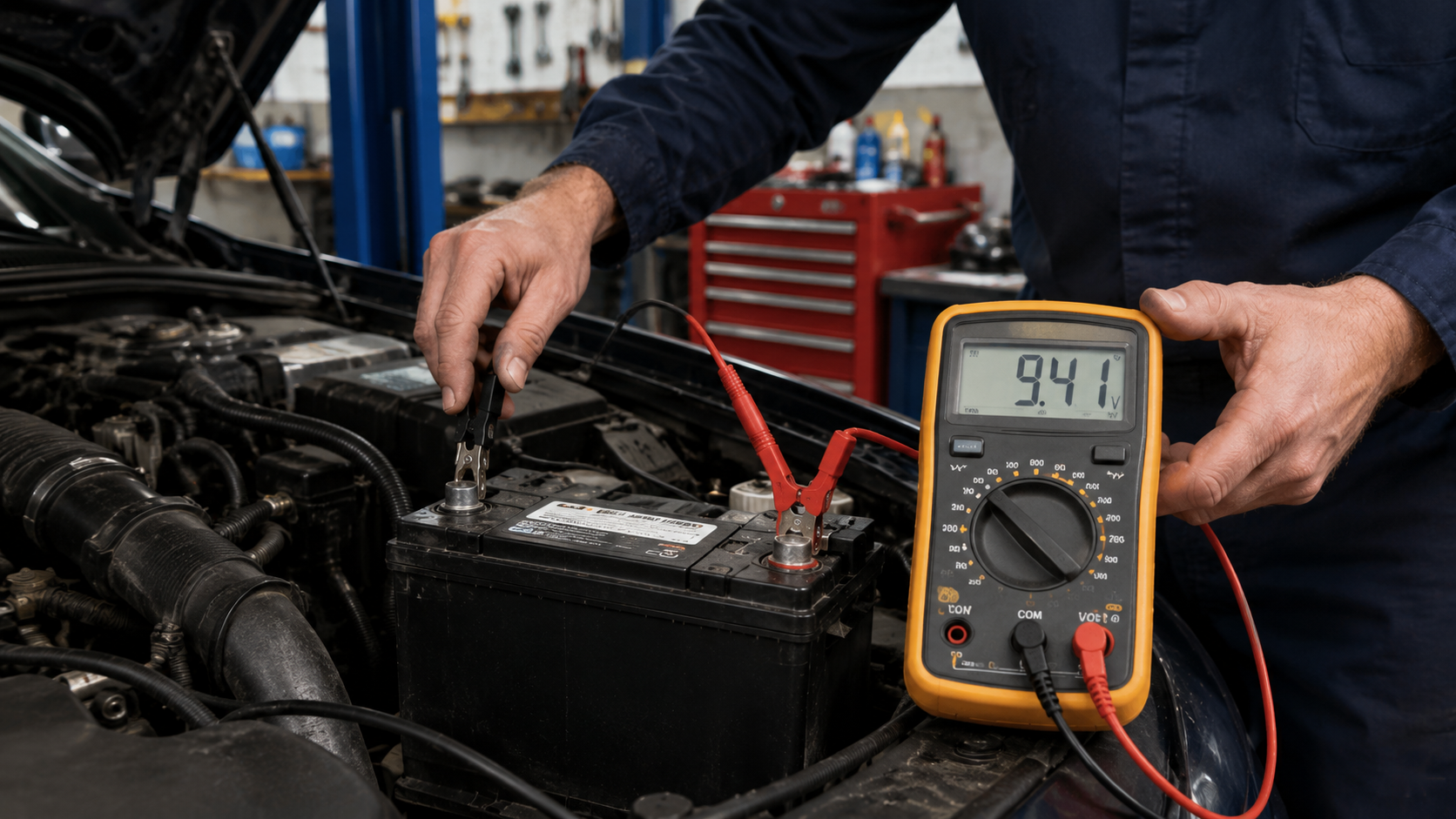

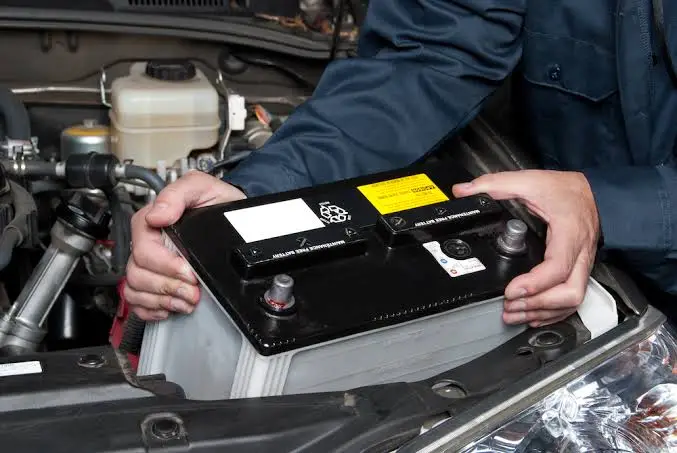
A car battery rarely fails without warning. These signs of a failing car battery usually show up days or weeks before it actually leaves you stranded, most people just don’t know what to watch for.
1. Slow or hesitant cranking. The engine turns over a little slower than usual before starting. This is often the earliest sign, and it’s easy to dismiss as “just the cold” when it’s actually the battery struggling under load.
2. Dashboard warning light flickers on briefly at startup. A quick flash of the battery icon that clears once the engine starts can still mean the battery is borderline, especially if it happens more often than it used to.
3. Headlights dim when idling, then brighten when you rev. This points to the battery or charging system struggling to keep up with electrical demand at low RPM.
4. The car needs a jump more than once. A single jump-start after leaving the lights on is normal. Needing one again within days is not, that’s a battery that isn’t holding a charge properly anymore.
5. A clicking sound when you turn the key. This usually means the battery can’t deliver enough current to engage the starter, even though it may have enough voltage to power the dashboard lights.
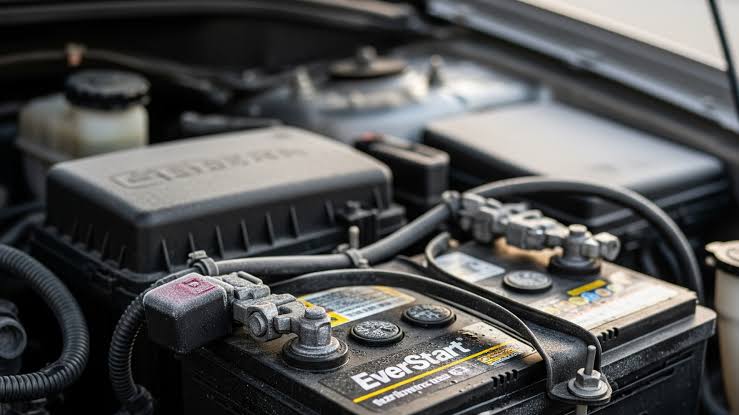
6. Corrosion around the battery terminals. White or bluish buildup on the terminals restricts the connection and can mimic a failing battery even when the battery itself is fine, but it’s still a genuine warning sign worth addressing immediately.
7. The battery is more than 3 to 5 years old. Age alone doesn’t guarantee failure, but most batteries start showing real weakness somewhere in this window, so it’s worth testing proactively rather than waiting for a symptom. For the exact numbers to look for when you do test it, see our quick guide to car battery voltage readings.
What to Do Next
If more than one of these applies, the next step is an actual voltage test, not a guess. A resting voltage check tells you the charge level, but the real answer comes from testing cranking voltage under load, since a battery can look fine sitting still and still fail the moment it’s asked to start the engine. Our full guide on testing car battery cranking voltage with a multimeter walks through exactly how to get an accurate reading.
Conclusion
None of these signs on their own means the battery is finished, but together they build a picture worth paying attention to.
Catching two or three of these early usually means a planned replacement on your own schedule, instead of an unplanned one on the side of the road.
If you’re noticing any of this, don’t wait for the battery to make the decision for you, test it, confirm what’s actually going on, and act while you still have the choice.



Leave a Reply