

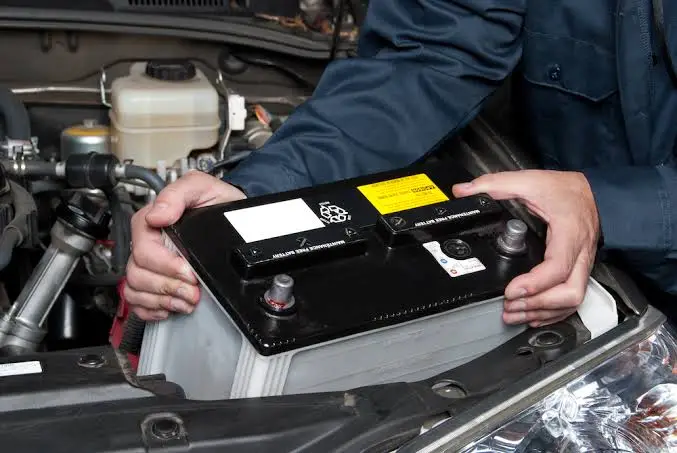
Using a car battery to power an inverter is common practice, especially during outages, but a few things about how it actually holds up matter more than most people realize before they set one up.
1. It works, but it wasn’t built for this job.
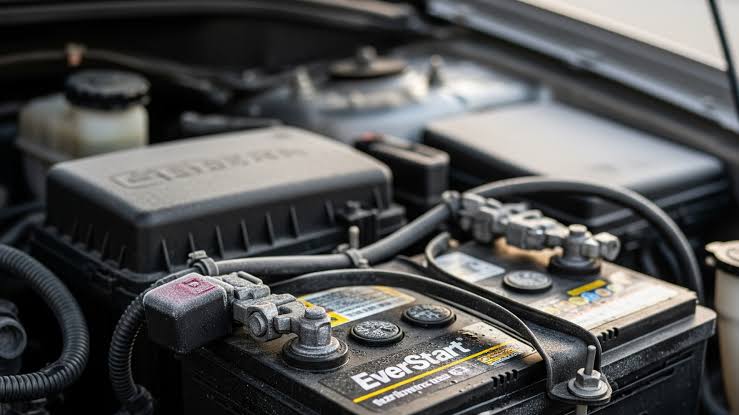
A car battery is designed to deliver one short, very high burst of current to crank the engine, then get topped straight back up by the alternator once the car is running.
An inverter asks for the opposite, a slow, steady draw that can last for hours at a time. The battery will do it, and for an occasional emergency it’s a perfectly reasonable stopgap, but it’s working outside the job it was engineered for every time you use it this way.
2. The connection has to be done properly, not just clamped on.
Match the inverter’s wattage to the wire gauge you’re using, undersized cables can overheat under sustained load.
Connect the black negative lead to the battery first, then the red positive lead. Connecting in this order helps prevent sparking at the terminals.
Use an inline fuse close to the battery, sized to the inverter’s maximum draw, so a short in the wiring doesn’t turn into something worse.
And keep the whole setup ventilated, batteries can release small amounts of gas under sustained load, especially older ones, so this isn’t a job for a fully sealed space.
3. Repeated use wears it down faster than normal driving ever would.
A starting battery discharged slowly and repeatedly, the way an inverter session does, builds up sulfation and degrades its internal plates faster than the same battery would wear from ordinary starting duty.
Owners who do this regularly often notice the same battery starts cranking the engine more weakly over time, even though the inverter use seems completely unrelated to starting the car.
A deep-cycle or dedicated inverter battery is built for exactly this kind of discharge cycle and won’t wear down the same way, so if this setup is a regular part of your routine rather than a rare emergency, it’s worth the extra cost.
4. If you rely on this often, it stops being occasional wear and becomes daily wear.
In places with frequent power outages, a car battery pulled into service as backup power isn’t a once-a-year emergency measure, it’s routine. That changes the math entirely.
The wear that would be negligible from an occasional outage becomes cumulative and noticeable within months when it’s happening several times a week, which is exactly when the case for switching to a proper deep-cycle battery stops being optional and starts being the smarter long-term decision.
Full Breakdown
For the complete safe connection steps, the deeper explanation of why starting batteries and deep-cycle batteries behave so differently under this kind of load, and honest runtime expectations, see our full guide on using a car battery to power an inverter.
Conclusion
A car battery can power an inverter, that part isn’t in question. What matters is knowing whether you’re using it as an occasional stopgap or leaning on it as a habit, because those two situations call for genuinely different equipment. Know which one you’re actually doing before the battery makes that decision for you by failing early.




Leave a Reply