

where your car heals!

7 Mistakes People Make Testing a Car Battery With a Multimeter

Published:

Updated:

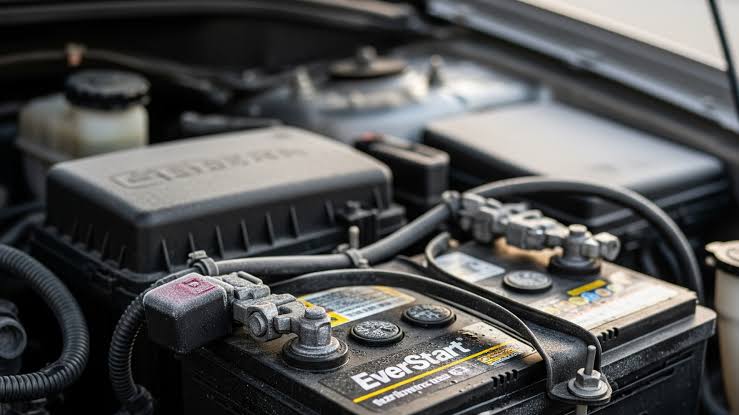
mistake people make testing a car battery with a multimeter
testing a car battery with a multimeter

These mistakes testing a car battery with a multimeter are easy to make and even easier to miss, since the multimeter still shows a number either way, it just isn’t always the right one. I’m writing this list from a place of real pain.

Before I got cautious about these, I burnt out four digital multimeters over the years, and looking back, nearly every one of them died from a version of one of the mistakes below. Learning this properly cost me meters I didn’t need to lose.

1. Testing right after driving. A battery reads artificially high for a few minutes after a drive due to surface charge. Let the car sit for at least 15 to 30 minutes first for an accurate resting voltage.

2. Leaving the multimeter on AC instead of DC voltage. A car’s electrical system runs on DC. An AC setting gives a false or zero reading that has nothing to do with the battery’s actual condition.

3. Reversing the leads without noticing. A reading with a minus sign in front of it means the probes are swapped. Easy to miss if you’re not looking closely, and it can make a healthy battery look broken.

4. Ignoring corroded terminals. Corrosion at the connection point can produce a low or unstable reading even when the battery itself is fine. Clean the terminals before testing, not after getting a confusing result.

5. Testing only at rest and stopping there. A resting voltage reading only shows charge level. It doesn’t confirm the battery can actually deliver power under a real starting load, that’s a separate check entirely.

6. Testing with a charger still connected. The reading will reflect the charger’s output, not the battery’s real state. Disconnect the charger first and let the battery settle before testing.

7. Leaving the dial on current or resistance mode instead of voltage. This is the one that actually cost me. Current and resistance settings have very low internal resistance, and connecting a meter set this way directly across a live battery is close to shorting it through the meter.

This is what blew every one of the four multimeters I’ve burnt out over the years, and it happens fast, often before you even notice the reading looks wrong. Always double-check the dial is on DC voltage before the probes touch the terminals, not after.

Get It Right the First Time

Avoiding these seven mistakes is most of the battle, and the last one alone is worth remembering every time you pick up the meter. For the full step-by-step process done properly, from setup to what each reading actually means, see our complete guide on testing a car battery with a multimeter.

Conclusion

A multimeter only tells the truth if it’s used correctly, and it only survives if you respect it. Fix these seven habits, and every reading you take from here on will actually mean something, instead of leaving you guessing whether the number on the screen reflects the battery or just a mistake in how you tested it.
I learned most of this the expensive way, four meters in. Hopefully this list means you won’t have to.


Leave a Reply

Your email address will not be published. Required fields are marked *

Search

About us

Where Your Car Heals!
I’m Che Clovis, an auto electrician and diagnostics technician based in Abuja and the person behind every article on this site.

I’ve been working on cars since 2010. Over that time I’ve handled everything from stubborn no-start faults to wiring gremlins that took hours to trace, mostly on Japanese vehicles. Toyota and Honda are the two I know best, along with a wide range of other Japanese makes and European and American vehicles, including Mercedes-Benz and BMW. I work on both tokunbo (used-import) and new vehicles, which means I’ve seen how the same fault shows up differently depending on a car’s history, age, and where it’s spent its life.

My background combines hands-on apprenticeship training with a six-month automobile technology course under the TVET initiative. I’m currently preparing to begin EV-specific training because the industry is moving that way and I intend to move with it, but for now, my focus and deepest expertise are conventional petrol vehicle electrical systems: batteries and charging, starters and alternators, wiring and fuses, dashboard and lighting faults, and the electrical side of sensor and ECU-related problems. I also install GPS trackers, which comes up often in the same wiring and electrical work.

For diagnostics, I run a Thinkcar Pro as my main scan tool, with access to Autel and Launch equipment as well, and Topdon is a brand I rate highly and use when I can. Every diagnosis you read about on this site is checked against actual live data from tools like these, not guesswork.

I started writing about car electrical problems because I kept seeing the same thing: car owners either overpaying for guesswork repairs or getting advice online that was written by someone who has never actually opened a fuse box with a multimeter in hand. I lost my original site’s content when hosting lapsed, but not the three years of lessons that came from writing it. This version is being rebuilt properly, article by article, from real diagnostic experience rather than generic advice.

Ezoic
What you’ll find here: straight-to-the-point diagnostic guides for electrical faults, written the way I’d explain it to someone standing next to me at the car.

what the symptom means, what to check first, what most people get wrong, and when a problem genuinely needs a professional rather than a DIY fix. Where something is done differently because of local realities, heat, dust, fuel quality, or the quirks of tokunbo wiring, I say so plainly, because that’s often the missing piece in advice written for a different climate and market.

This site will keep growing as my own skills do, including into EV systems. If something here helped you actually fix your car instead of just understanding it a little better, it’s done its job.

— Che Clovis

Latest Posts